LukeDaDuke sees Eindhoven as a city that is constantly being rewritten. A sticker may be gone tomorrow, a mural may be painted over and a snack bar that has been part of a neighbourhood for years can suddenly close. It is precisely this combination of transience and everyday life that attracts him. As a maker, photographer and visual arts teacher, he looks not only for what is beautiful or spectacular, but above all for images that say something about how a city is used, changed and experienced.
From stickers to LukeDaDuke
In the late 1990s, Luke cycled from Valkenswaard to his course in Eindhoven. Along the way he noticed something in the streets that he barely knew from home: stickers, posters and logos that someone had left on lampposts, walls and other places without explanation. It immediately raised questions. Who made this, why was it here and, perhaps more importantly, why couldn't he leave something behind himself?
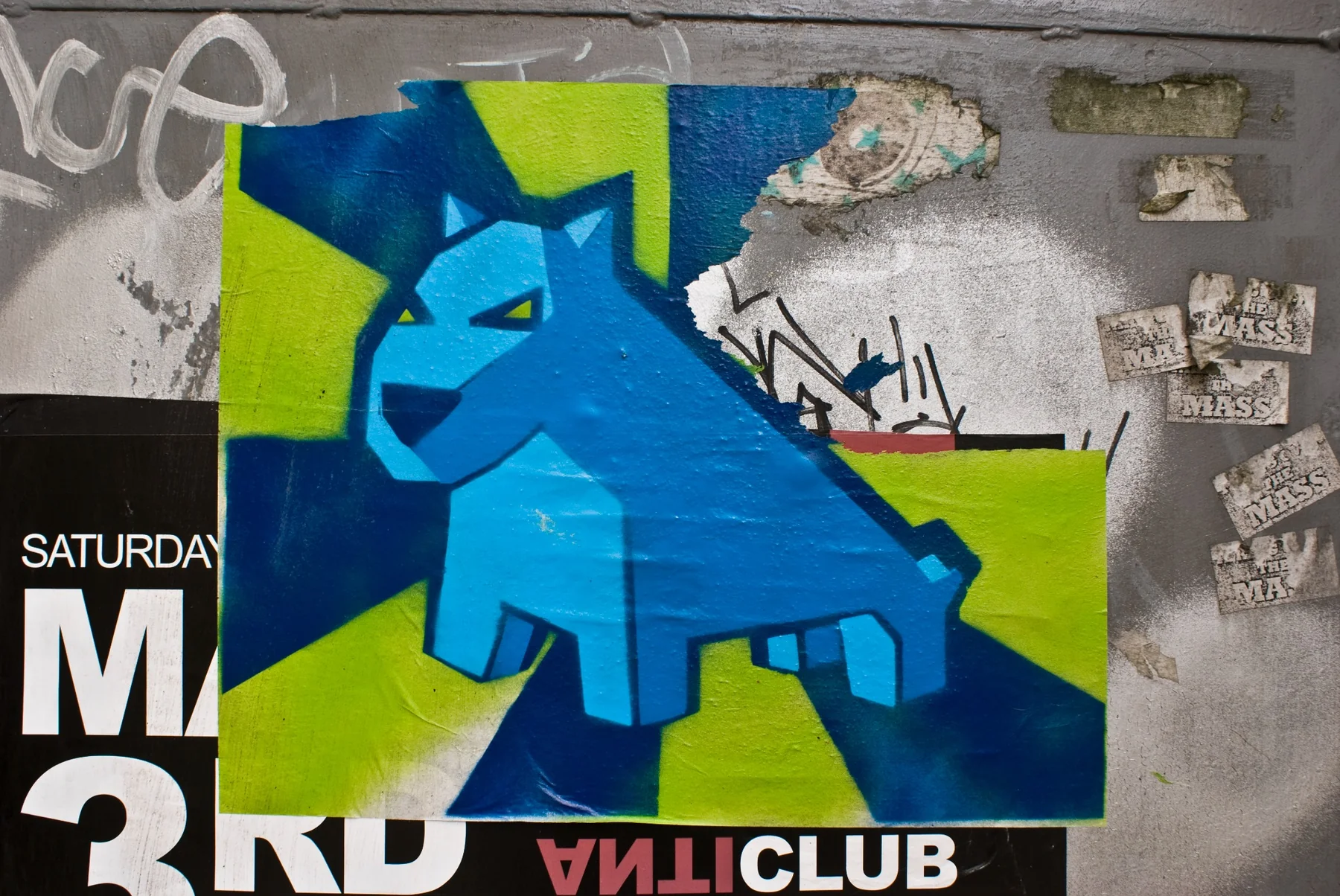
He began designing and putting up stickers, initially using printed images and later developing more of his own visual language. The name LukeDaDuke also emerged from that period. What started as a maker name grew into the identity under which he shares his visual work and photography. By day, he has another role alongside it: Luke teaches visual arts. He deliberately keeps those worlds somewhat separate, but at their core they come from the same desire to make things and help others look more closely.
For him, photography is therefore never just about recording something. The viewpoint, framing and the moment you press the shutter are all choices. His own practice as a maker also sparked his interest in the process of other creators. When he is not creating himself, he finds it just as interesting to see how someone else builds an image.
The street as gallery and archive
Graffiti and street art have one quality that makes photography almost inevitable: nothing guarantees that a work will still be there tomorrow. A sticker disappears, a wall gets a new coat of paint and a piece beside the railway can be removed without warning. For years, Luke found it frustrating to hear about new work somewhere only to discover it had disappeared before he could see it. He now accepts that transience as part of the culture.
When he can, he gets on his bike on Friday afternoon to see what has changed in Eindhoven. Sometimes he discovers something new, sometimes a work has disappeared and sometimes he later hears that he missed something completely. That is part of it. A street is not a museum gallery where every work is protected indefinitely. Precisely because places can be claimed again, the streetscape keeps moving.
“I don’t have to capture everything.”
When does documentation become a photograph in its own right?
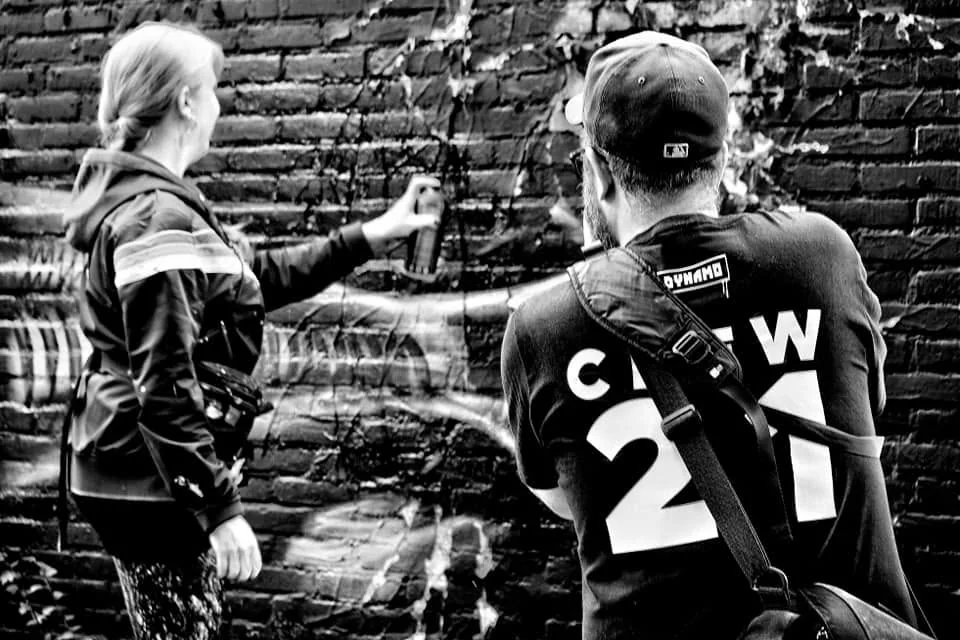
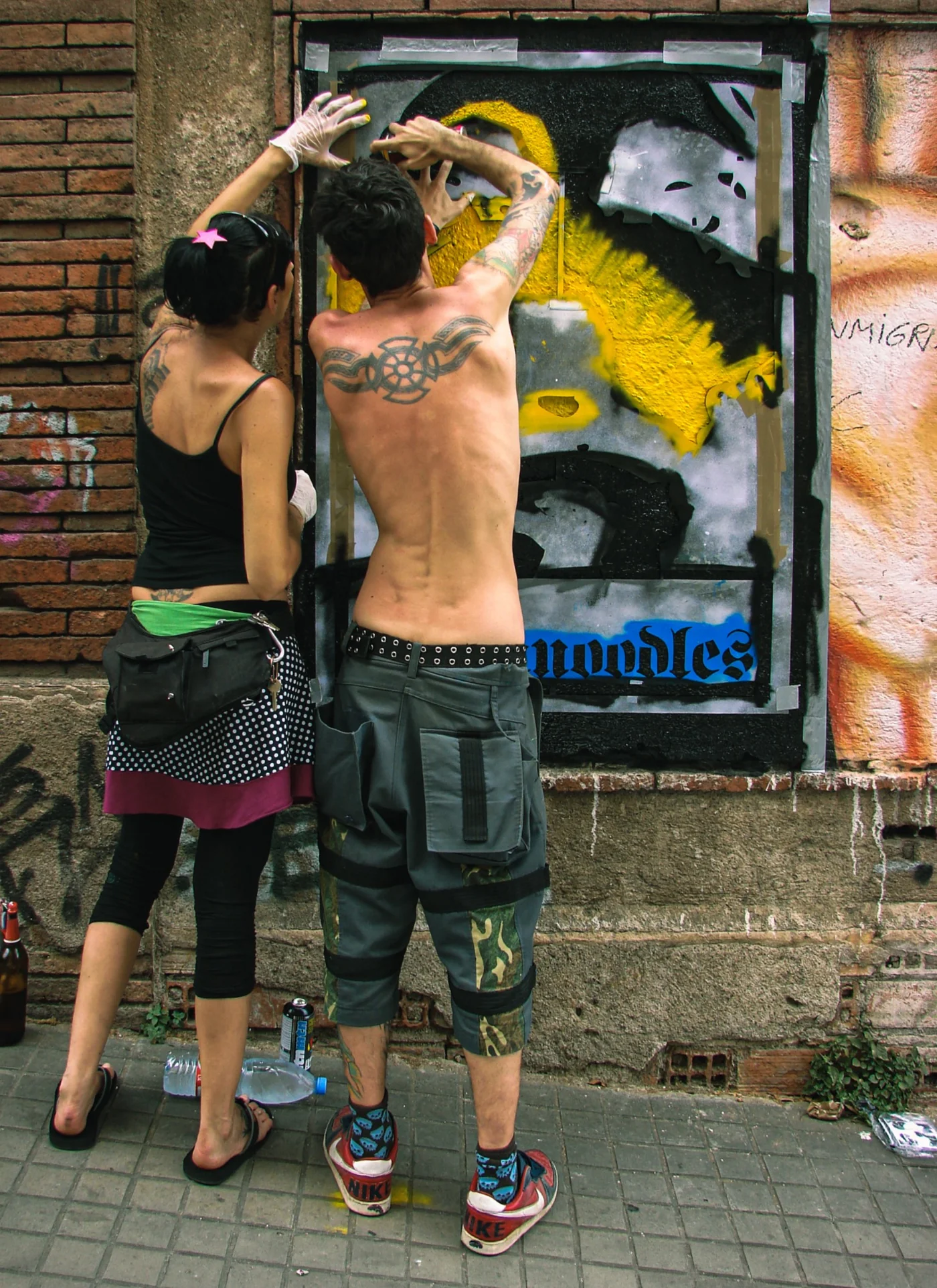
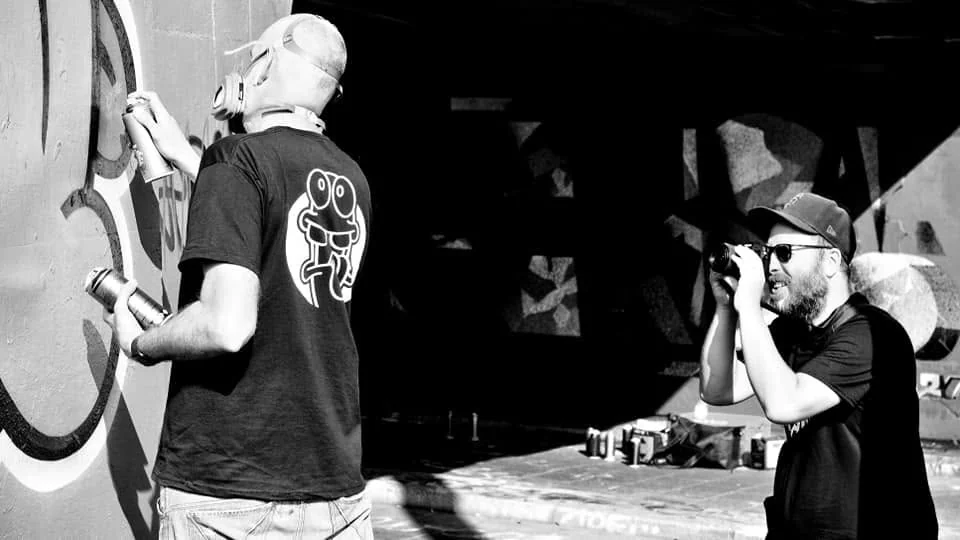
When photographing a finished mural, Luke often works quite precisely. Straight lines, enough distance and sufficient surroundings show where the work is located. He sees such a photograph primarily as documentation. That changes when he is present while an artist is still working. Hands, spray cans, ladders, bystanders and the scale of the work become part of the story. The photograph then shows not only what was made, but how it came into being.
A key moment came in 2007 during Difusor in Barcelona, an international gathering centred on stencil and urban art. Luke visited the festival with friends and watched artists from different countries working on large walls. What struck him was how little the process itself was being documented. He had a small camera with him and started taking photographs. Since then, his attention in street art has gone not only to the finished result, but just as often to the people behind it.
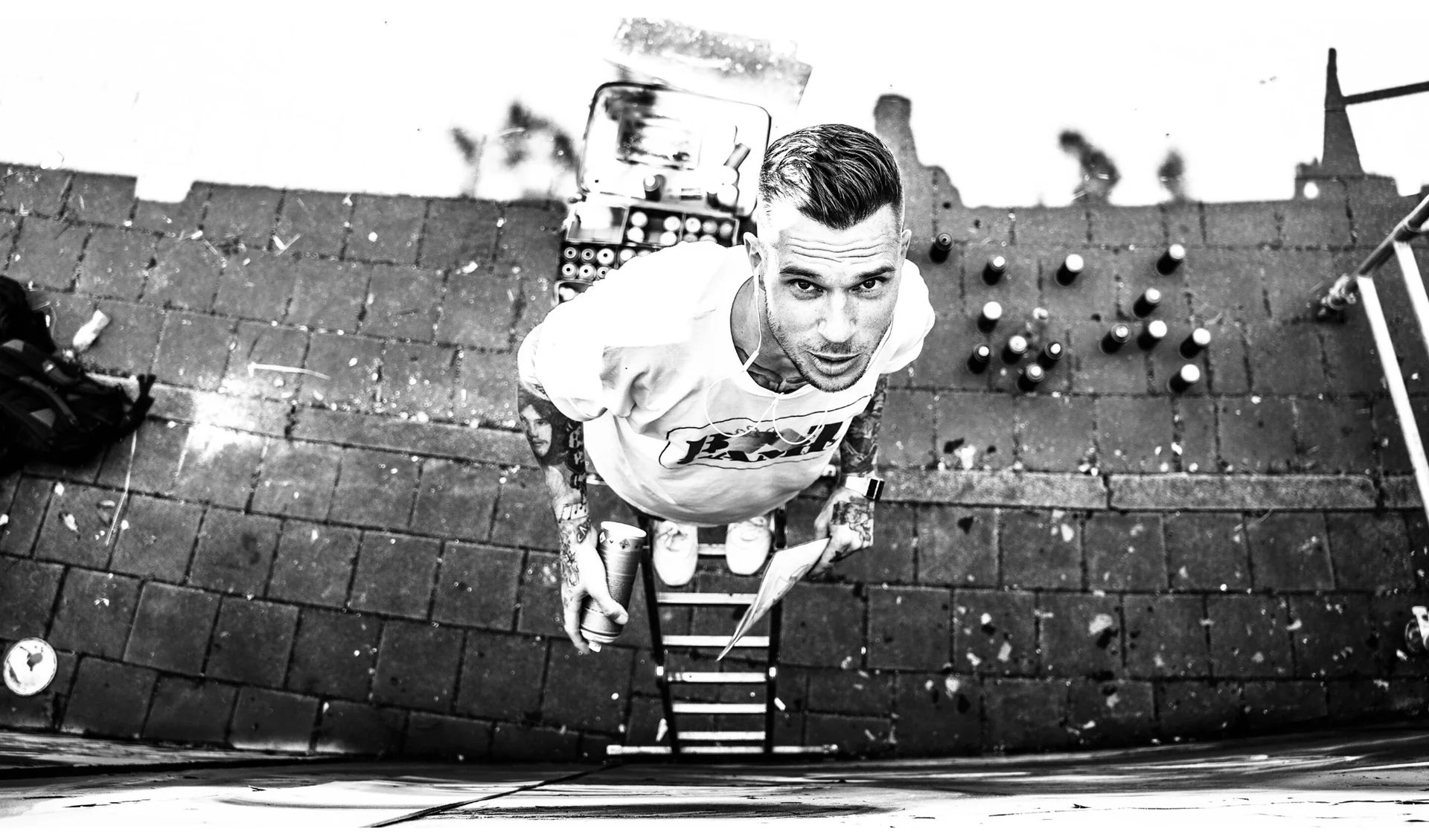
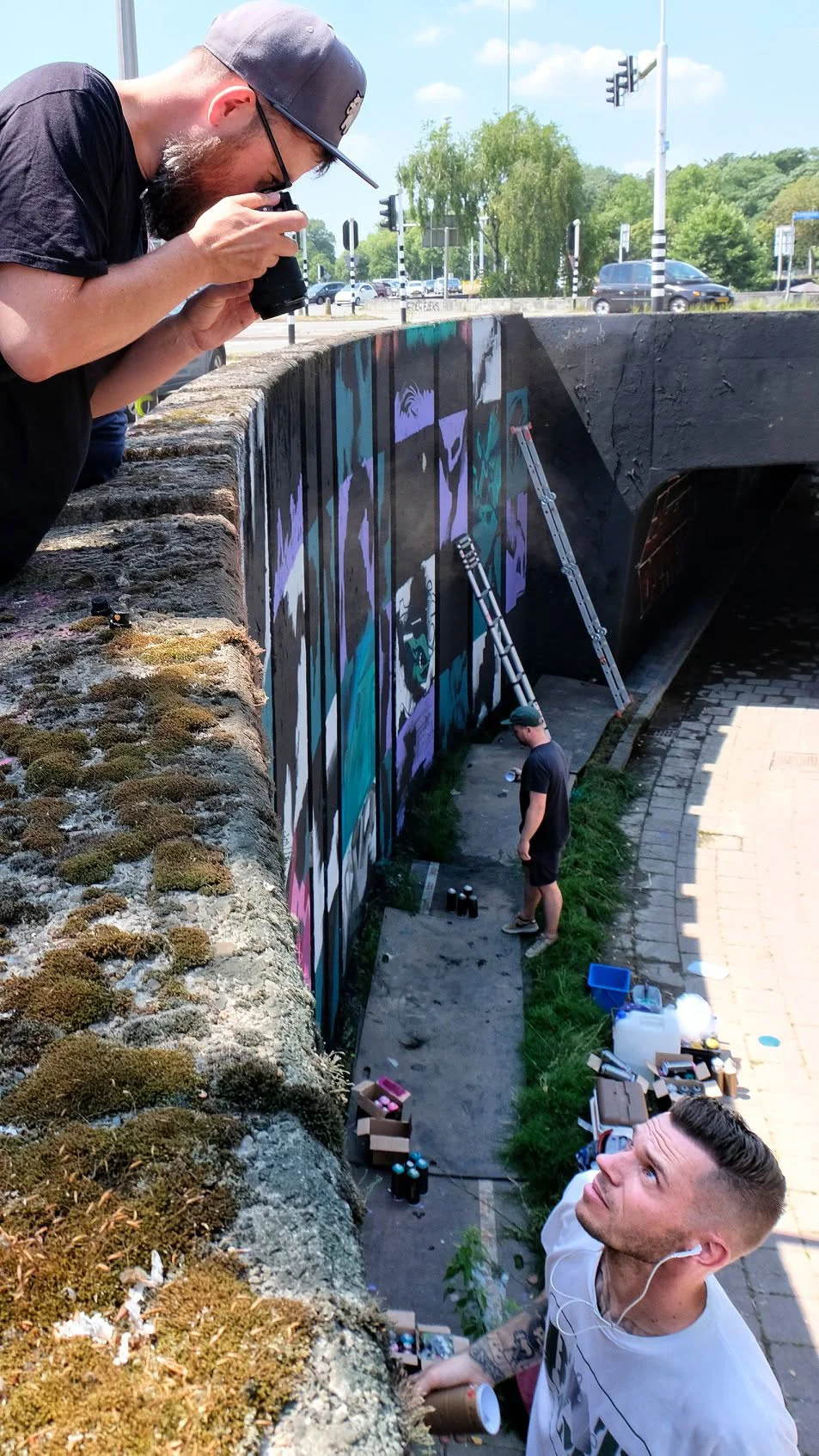
“From a blank sheet or an empty memory card, something suddenly appears that only you saw in that moment. I find that powerful.”
Frituur Cultuur: the everyday as a subject
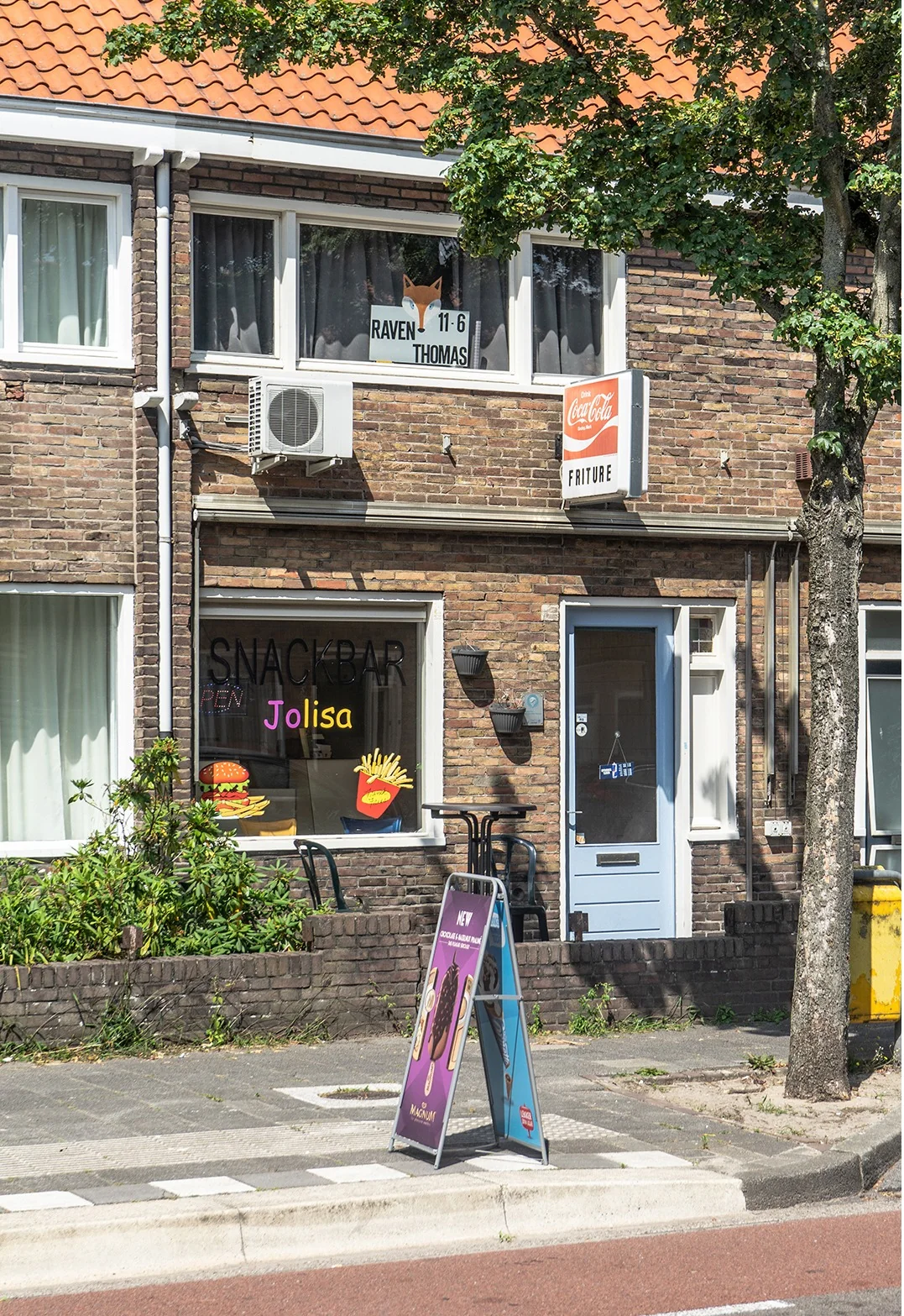
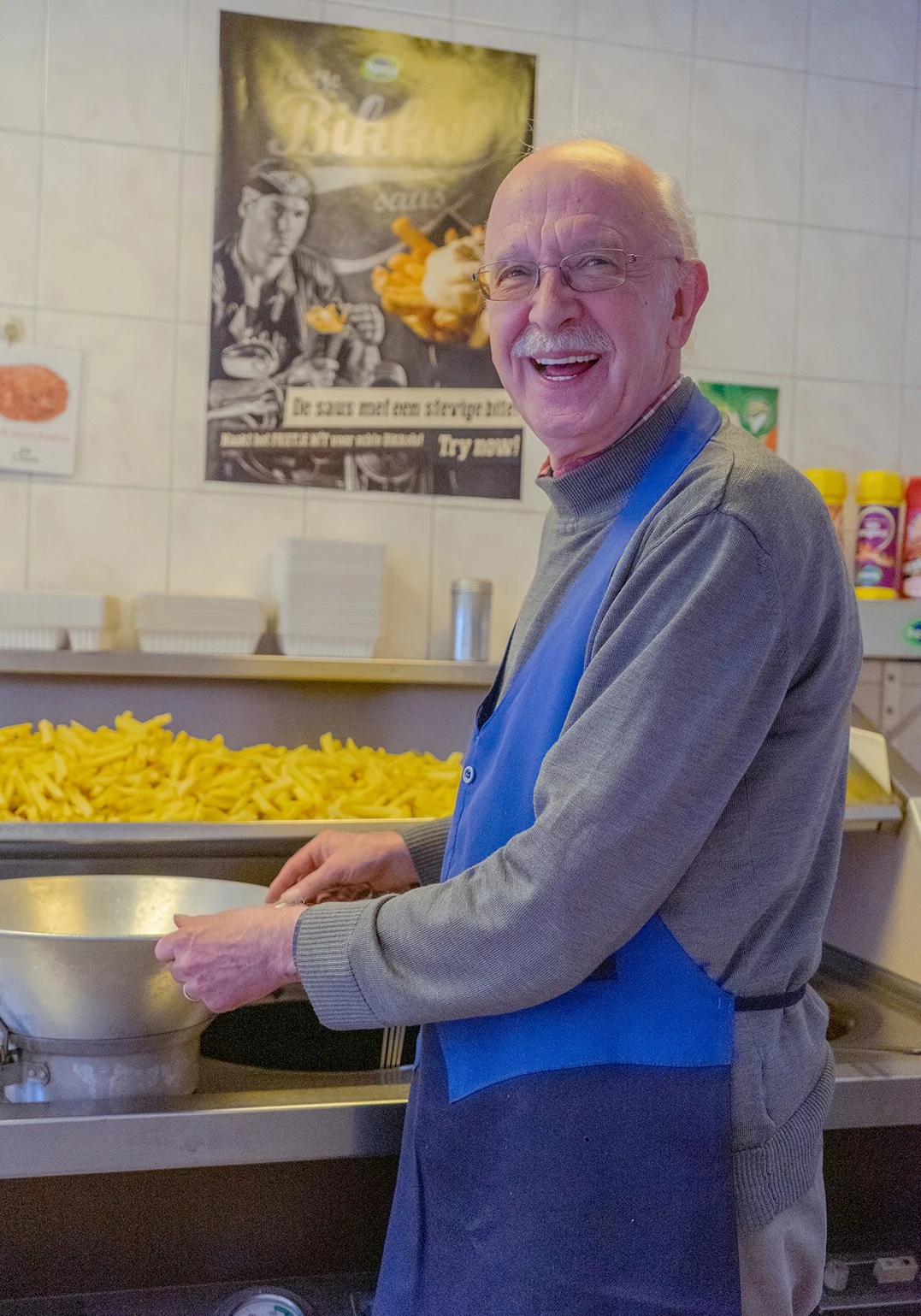
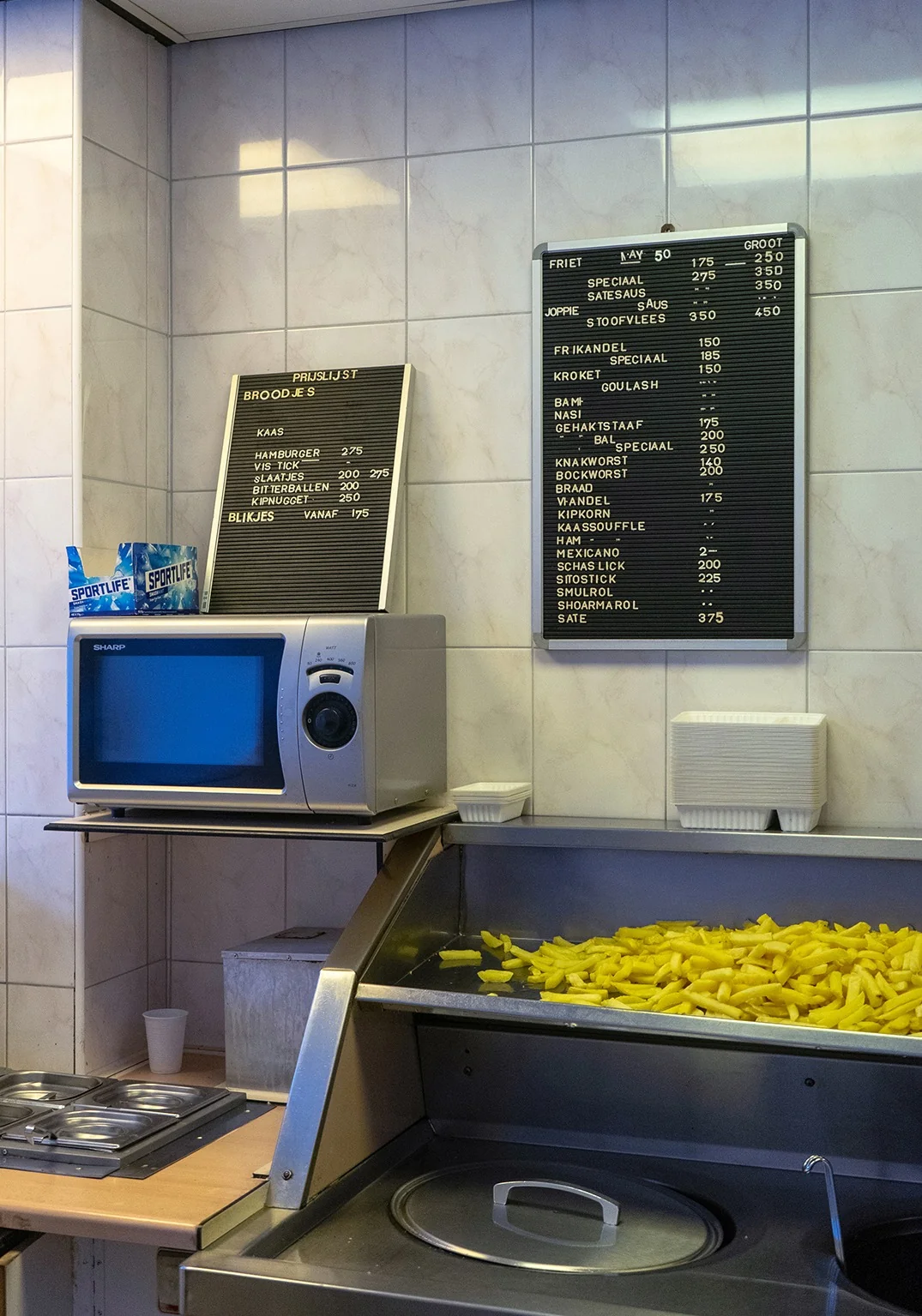
Anyone who knows Luke only through graffiti and street art misses an important part of the way he looks at the world. Take Frituur Cultuur, his series about Eindhoven snack bars. Curiously, the project began with a frikandel roll with mayonnaise. Luke noticed that at snack bars he was almost automatically given frietsaus when he asked for mayonnaise. He wrote about it and gradually became more interested in the places where those snacks were served.
Together with friends and acquaintances, he visited snack bars across the city. Camera along, bike out, from one district to the next. Their appeal is not in perfect interiors. It is precisely the familiar places that trigger memories: getting chips with his father, being allowed to put a guilder into the fruit machine, then driving home with the smell of frying oil in the car. A snack bar becomes more than a counter and fluorescent lighting. It becomes a piece of local culture.
Sleeping Beauties: looking at what others pass by
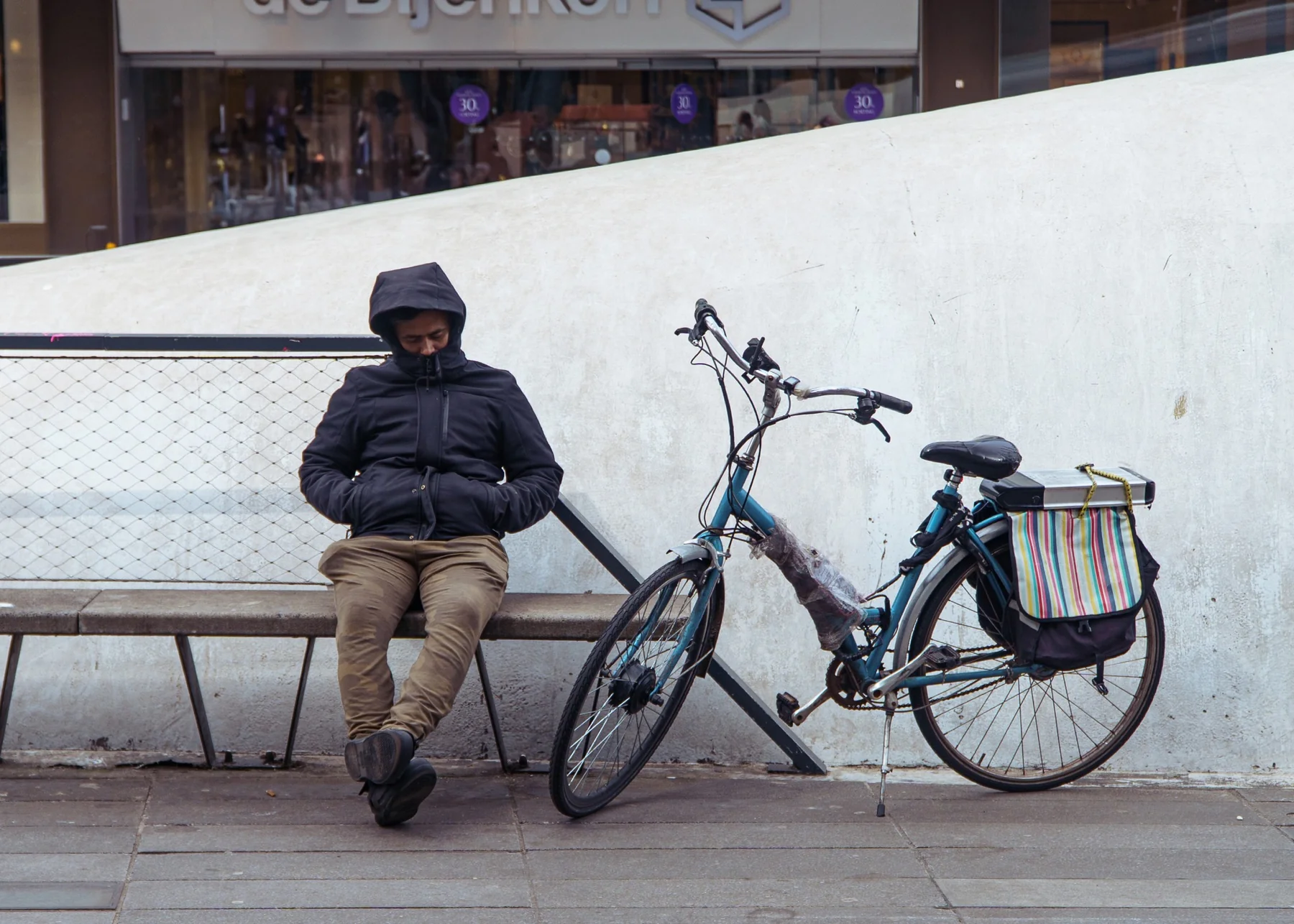
That attention to everyday scenes becomes even clearer in Sleeping Beauties, a series Luke has been working on since 2006. The first photograph was taken at Eindhoven station, where a man was sleeping in the old station corridor. A day later, in Tilburg, he again saw someone sleeping in a public space. Two images in quick succession were enough to set something in motion, and from then on he started noticing it.
Later, the meaning of the series also changed. During a tour with students, a formerly homeless person showed several places in Eindhoven where people spend the night. Luke cycled past them almost every day without ever recognising them as sleeping places. He also learned why someone may try to sleep during the day: at night, you may have to stay awake to guard your belongings. The series therefore became more than a collection of striking street scenes. Photography made him look longer at situations that otherwise easily fade into the background.
People also provide context in his other images. With a large mural, they reveal just how enormous the work is. At the same time, that raises questions about privacy and vulnerability. Luke tries to handle this consciously. He sometimes knows in advance that graffiti artists do not want to be recognisable in photographs, and he does not publish identifiable images of children. People remain important, but never merely as accidental scenery.
Photograph first, discover what it becomes later
Many of Luke's projects do not begin with a project plan. He takes photographs because he wants to photograph and only later notices that certain subjects keep returning. Sleeping people became Sleeping Beauties. At other times, people looking at their phones kept catching his eye, as did portable toilets, snack bars and rusty structures. Meaning sometimes emerges only when he looks back after twenty or fifty images and realises that he has apparently been responding to the same thing again and again.
“I enjoy what I see, even when it is very ugly or rusty.”
That way of working mainly asks you to keep looking with an open mind. Not everything needs a concept, project title or final presentation in advance. If something catches him, he takes a photograph. And if it does not need a photograph, simply looking can be enough.
What young people teach him about images
As a visual arts teacher, Luke works with young people for whom an endless stream of photographs and videos is completely normal. TikTok, Instagram, Snapchat and YouTube mean that huge numbers of images pass by in a short time. His students have shown him above all how quickly we have learned to look, and he very much includes himself in that. A little scrolling on the sofa and, before you know it, dozens of images have gone by.
In his lessons, he therefore regularly tries to do exactly the opposite: stop and look for longer. What are you actually seeing, why do you respond to it the way you do, and what context is missing? Years later, a former student showed him how much impact such a simple thought can have. Luke had once said that almost everything around you was made by human hands and first existed as an idea or drawing. For her, that became a reason to look differently at her surroundings and eventually add something herself when she felt something was missing in Eindhoven.
According to Luke, Eindhoven forgets one word: art
Eindhoven keeps returning in Luke’s photography, not only as a backdrop but as a subject. The city likes to present itself through design, technology and innovation. Those terms unmistakably belong to Eindhoven, he says, but one word is added too rarely: art.
“Design, technology and innovation: that is Eindhoven. But we forget art.”
Less official art forms, in particular, reveal another side of what a city is. A mural in a tunnel, a painted utility box, stickers on a pole or graffiti in a place that was never designed for it. Luke would like to see art included before the very end, rather than added only once a new place is practically finished. A city is not made up only of homes, infrastructure, green space and economic growth. The images people encounter along the way shape how a place feels just as much.
An Eindhoven that does not fit into a single photograph
So when asked how he would capture Eindhoven today for someone who wants to understand the city twenty years from now, there is no simple project idea. Eindhoven changes too quickly for that. Buildings appear and disappear, but the people in the city change as well. New Eindhoven residents bring different languages, backgrounds, habits and cultures. No single photographer can claim that their camera tells that whole story.
Perhaps that restraint suits LukeDaDuke particularly well. He does not try to summarise Eindhoven, but collects fragments: a maker in front of a wall, someone sleeping, a snack bar, a sticker that may soon disappear or a rusty structure that someone else walks past without a second glance. Individually, they are small moments. Together, they slowly become an archive of a city in motion.
Keep looking, keep making
After years of photographing, drawing, making stickers and teaching, Luke’s advice to new makers is strikingly simple. If you want to draw, draw. If you want to become a photographer, take photographs. If you want to write, write. Do not wait until every idea feels special enough or until you know exactly where it is supposed to lead.
“If you enjoy something and really want to become good at it: just do it a lot.”
Perhaps that is also the thread running through his own work. He did not start with a plan to build a photographic archive of Eindhoven. He saw images in the street, became curious, made his own stickers, took a camera with him and kept looking. Decades later, he is essentially still doing the same thing: cycling through Eindhoven, camera at hand, paying attention to everything others might just pass by.
Do you make Eindhoven visible too?
Do you photograph, film, design or create in Eindhoven? Meet other local makers, discover their work and join a community centred on sharing knowledge and creating together.
Join Eindhoven Creative CommunitySee more from LukeDaDuke
On Flickr, Luke shares an extensive archive of street scenes, graffiti and makers. For This is Eindhoven, he wrote about street art in the city for many years. Want to see more photography from Eindhoven? Read the story of Jan Timmer or browse all stories from Eindhoven makers.