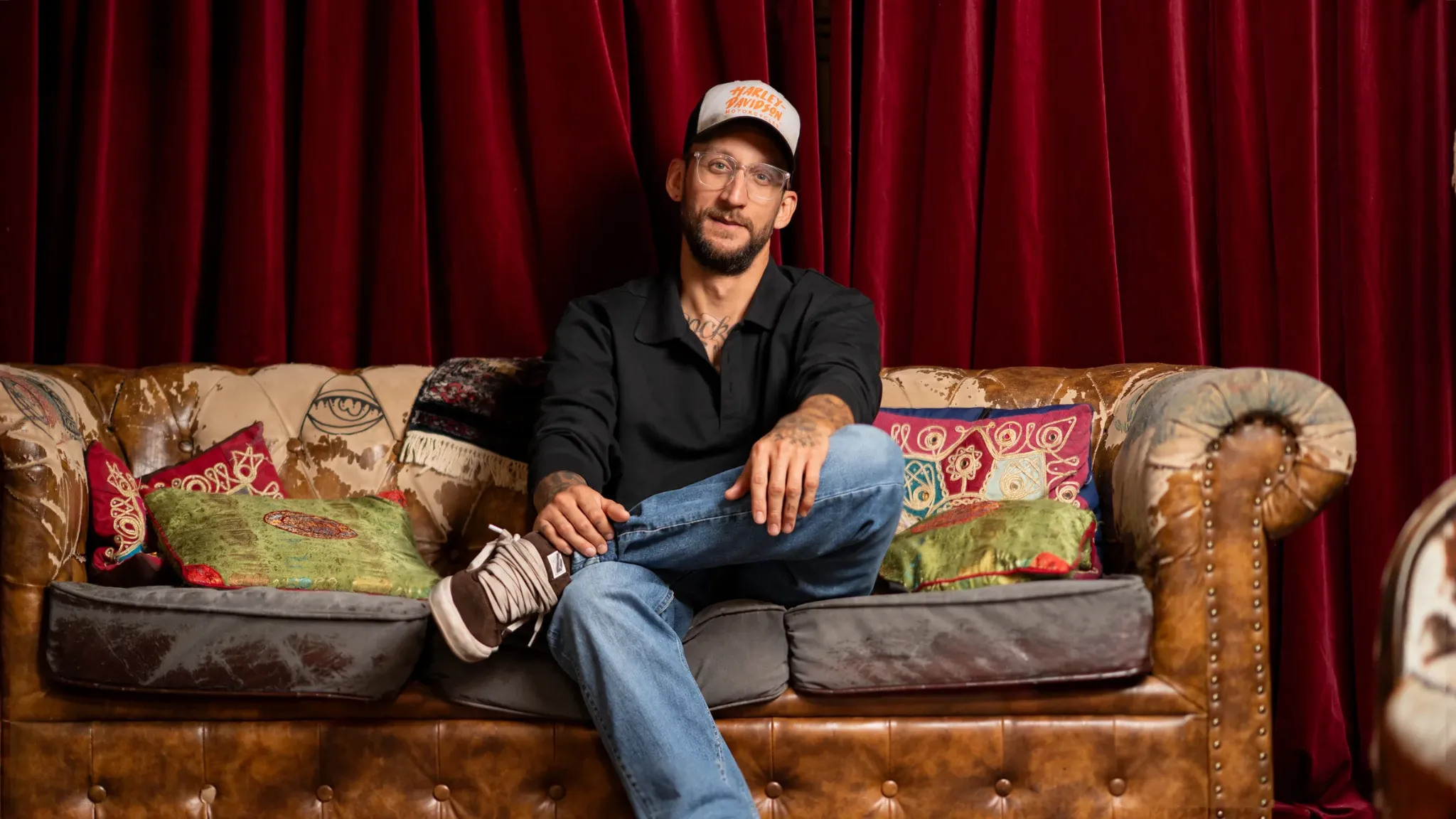
Stan Kuipers is an entrepreneur, vlogger and Eindhoven local. He built De Troep Taxi during a period in which he had to rebuild his life. In this conversation with Eindhoven Creative Community, the story is therefore not only about collecting unwanted items or building an online audience, but about what happens when work, recovery, fatherhood, ambition and creating increasingly become intertwined.
Driving through Eindhoven with a van full of stuff
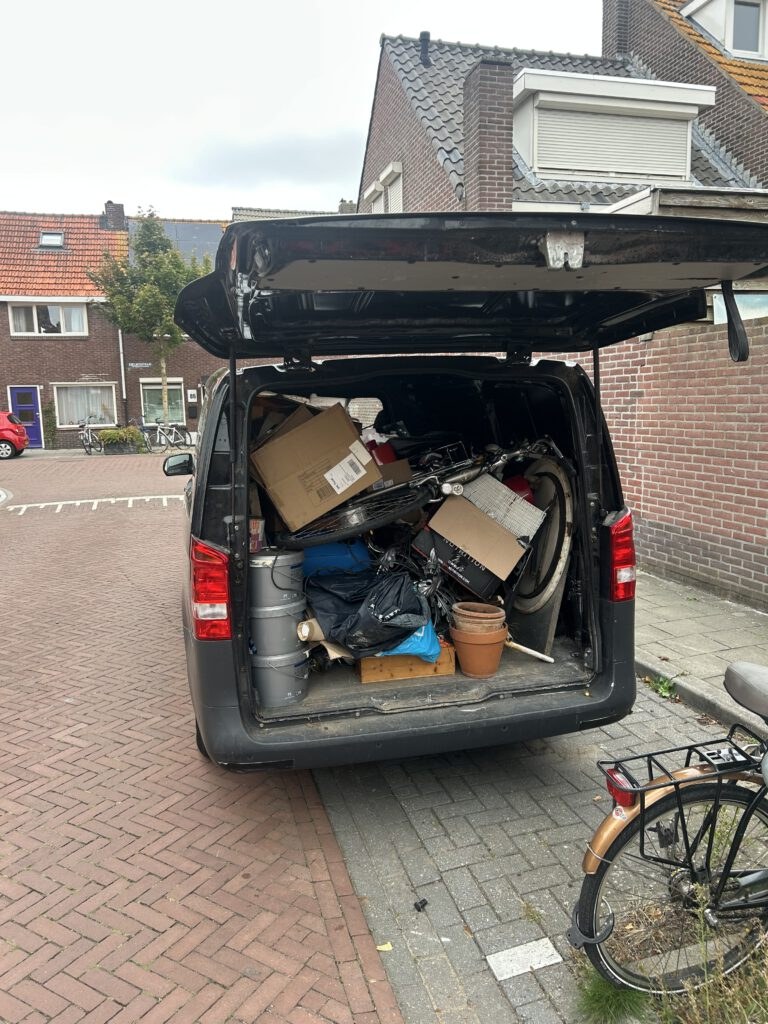
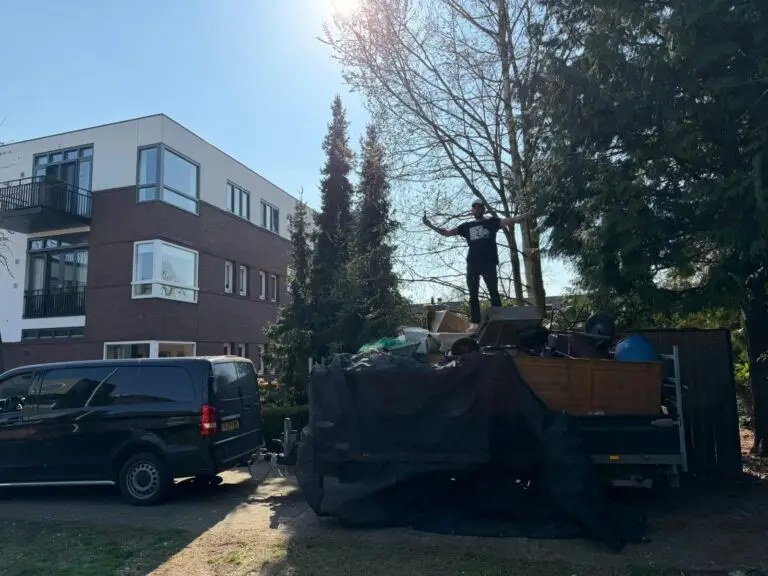
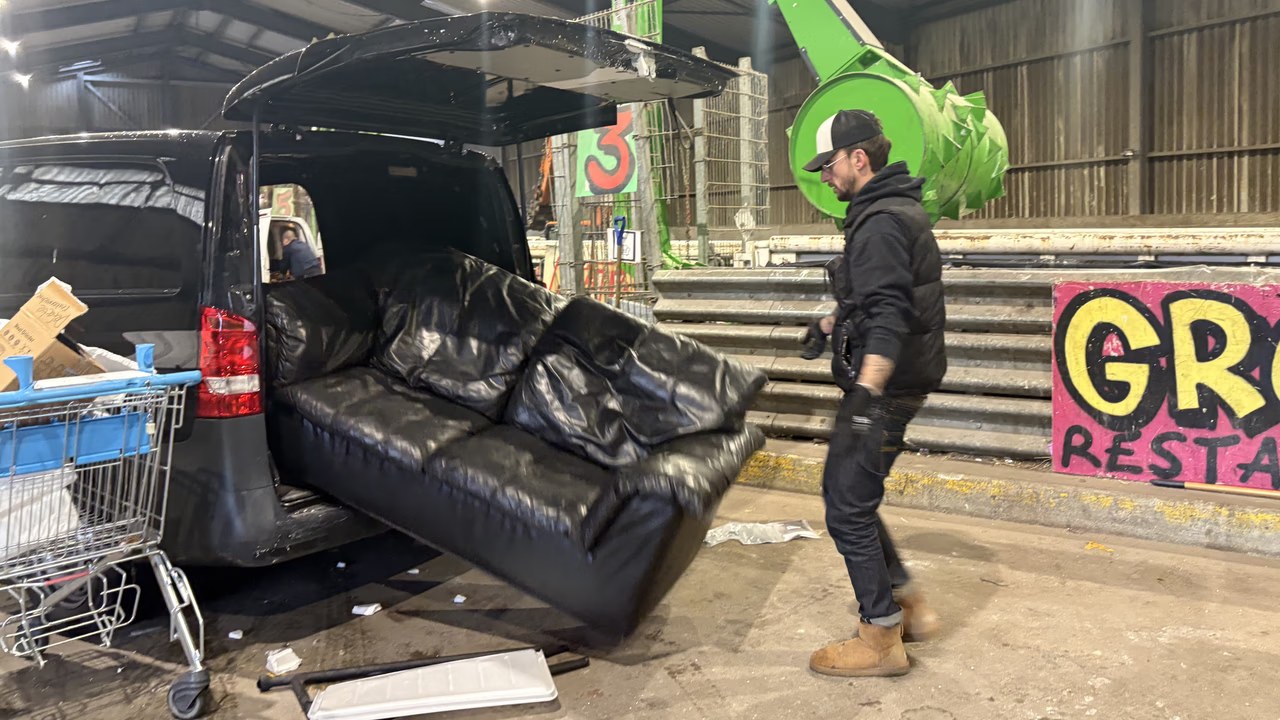
When people see Stan Kuipers driving through Eindhoven, they usually notice De Troep Taxi first: a work van, a trailer, a route between addresses where things need to be removed and a camera that regularly comes along for the ride. For many people in Eindhoven, that is also how they now recognise him. Not as a distant entrepreneur behind a logo, but as “that guy with the junk” who speaks directly to the city in his videos.
The company is called De Troep Taxi. The service is easy to explain: Stan and his team collect unwanted belongings and take them to the waste disposal site. But because he started filming the work almost from the beginning, an everyday service developed a face of its own. Customers not only see what the service does; they also get to know the person behind it.
“This is Eindhoven. We know each other here. Just be normal.”
That informal tone is deliberate. Stan does not want to sound as if he is standing on a stage telling other people how to live. He speaks the way he wants to be spoken to: accessible, direct and with room for humour. At the same time, he does not want people to know him only for rubbish and trips to the tip. In his personal videos he also talks about self-reflection, recovery, insecurity and the question of what you can build when you have to start again.
That is where the creator in Stan becomes visible. De Troep Taxi is his business, Eindhoven is his setting and the camera is the tool with which he turns everyday journeys into an ongoing story.
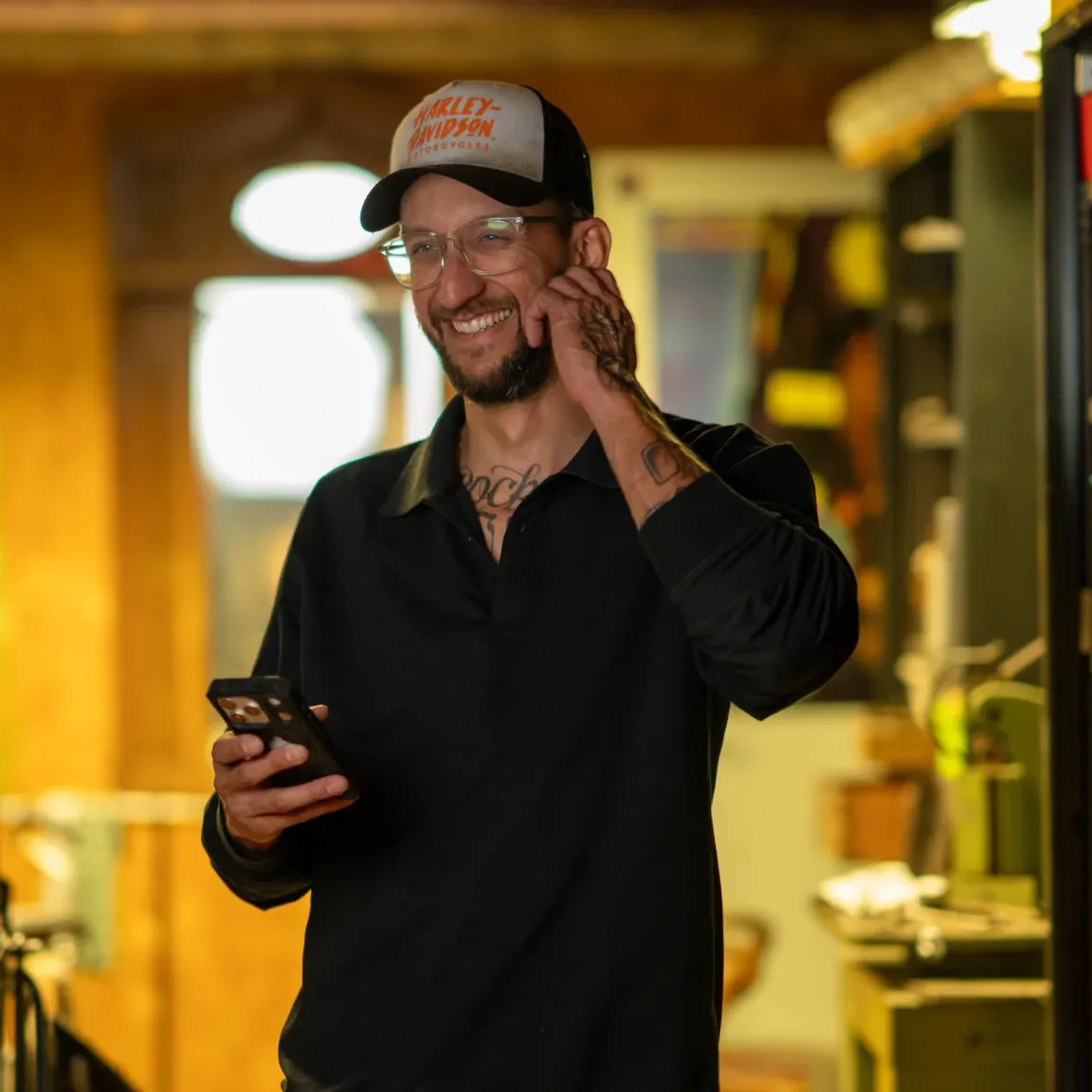
From getting stuck to starting again
Before De Troep Taxi, Stan worked among other things as a chef and as a self-employed construction worker. He still recognises the work ethic from those years in himself. But he also looks back on a period in which alcohol and other substance use increasingly took up space. Work, relationships and fatherhood came under pressure, and at a certain point he realised that he was no longer in control.
For him, the turning point was not one neatly defined moment of insight. There were several low points. Eventually he ended up in the attic room at his parents’ house and realised how far he had become removed from himself and his family. Asking for help was no longer a theoretical option at that point, but a necessary step.
After treatment, a different kind of new beginning followed. Stan describes how his perspective shifted from “what can I get from the world?” to “what can I add?” His relationship with Eindhoven changed too. Where a sense of civic pride had once sometimes meant making other cities seem smaller, after his recovery Eindhoven became a place where he could belong without excluding anyone else.
“I no longer needed to make other cities smaller. I just wanted to feel it here.”
He sees that change in his role as a father as well. Becoming a father itself did not change him, he says; he changed later within his role as a father. His two sons are now an important part of his life. For him, responsibility is not about some grand ideal, but about being present, making choices and continuing to work on himself.
De Troep Taxi: started with a few tens of euros
After treatment, Stan was under financial pressure. He still had his registration as a self-employed worker and a van from his construction days. Through the neighbourhood platform Nextdoor he posted a simple message: he could take unwanted items to the waste disposal site for people. He did the first jobs for a few tens of euros. There was no detailed growth plan, no grand brand story and no strategy for national expansion. At that moment, it simply had to work.
“I was just getting on with it. I thought: we’re simply going to do this.”
Looking back, Stan calls that first year “survival mode”. Yet it was precisely during that phase that something emerged which would later become central to De Troep Taxi: he kept filming. He already enjoyed making video and the work constantly produced small stories. Gradually, the name began to stick. In Stan’s words: at some point, when people thought of unwanted stuff, they thought of De Troep Taxi.
Meanwhile, the simple disposal service developed into De Troep Taxi in Eindhoven, with a booking system, telephone support and more capacity. One important moment was the investment in a trailer. For Stan, it was more than a practical piece of equipment: making that kind of investment also tells you that the company is no longer a temporary emergency solution.
Growth also changed his role. At the beginning, Stan was the driver, planner, customer service representative, editor and face of the company all at once. Now the question increasingly becomes which tasks he should continue to do himself and which he should hand over. That turns out to be at least as exciting as starting the company.
Eindhoven, what are we doing?
The phrase appears in large letters on the De Troep Taxi website. But “EINDHOVEN, what are we doing?” did not start as a carefully constructed slogan. It emerged while Stan was filming one video about the city and was then widely picked up. People started repeating the line and it even appeared on shirts. Stan likes that: the phrase has become bigger than his own account.
“There is no I. There is a we. We are Eindhoven. What are we doing?”
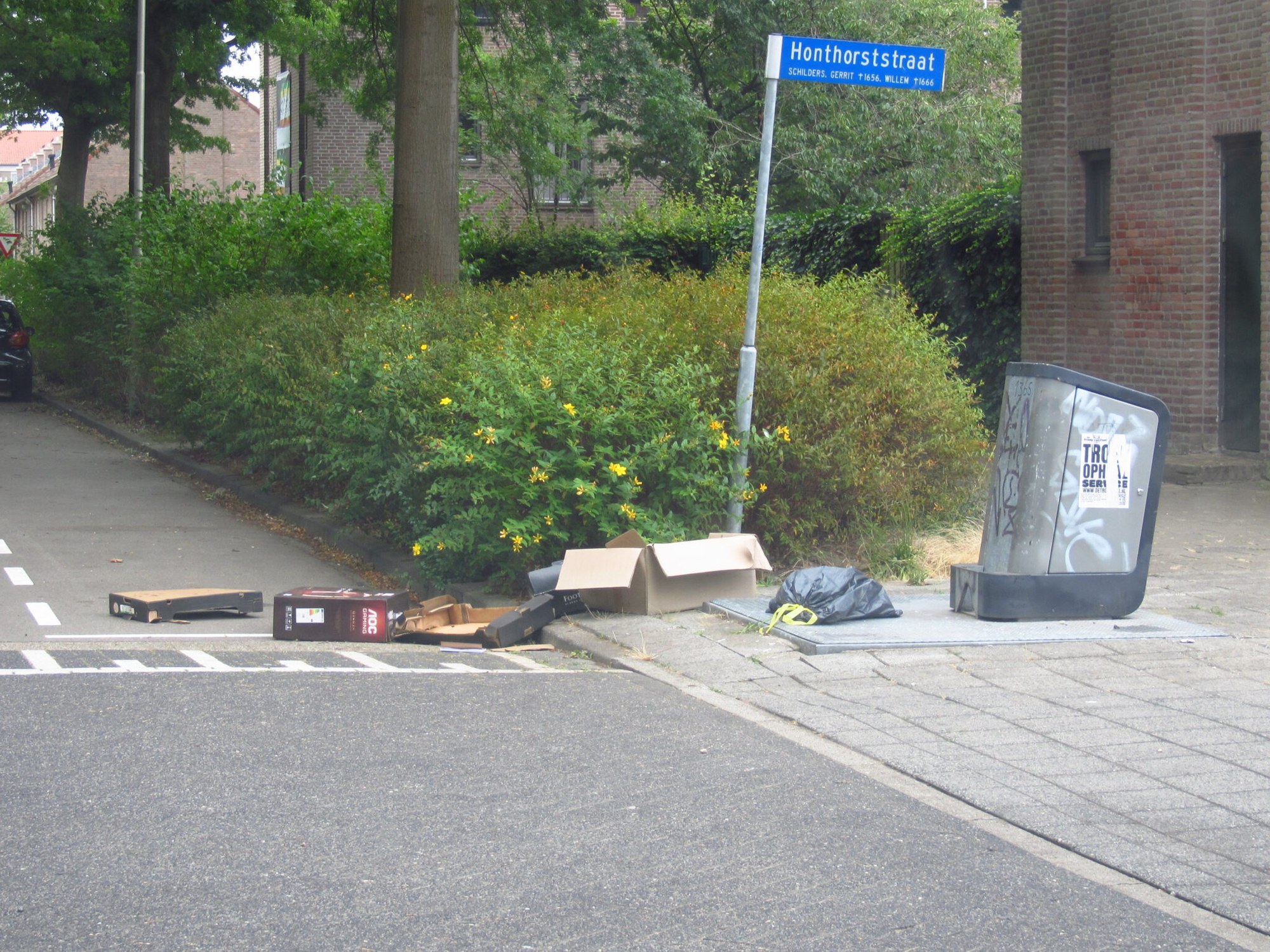
For Stan, the power is in that one word: we. The sentence does not automatically point to the municipality, to a particular group of residents or to someone else who should solve the problem first. He wants to break the reflex of always placing problems outside yourself. Litter is the clearest example because he encounters it every day. But he applies the same idea to irritation in traffic and other small forms of behaviour in a busy city.
That makes Eindhoven more than simply the place where his company is based. Stan explicitly calls himself an Eindhoven local and says the city forms the backdrop to almost everything he makes. His videos work, he believes, because people recognise the streets, situations and irritations. In a sense, the city talks back.
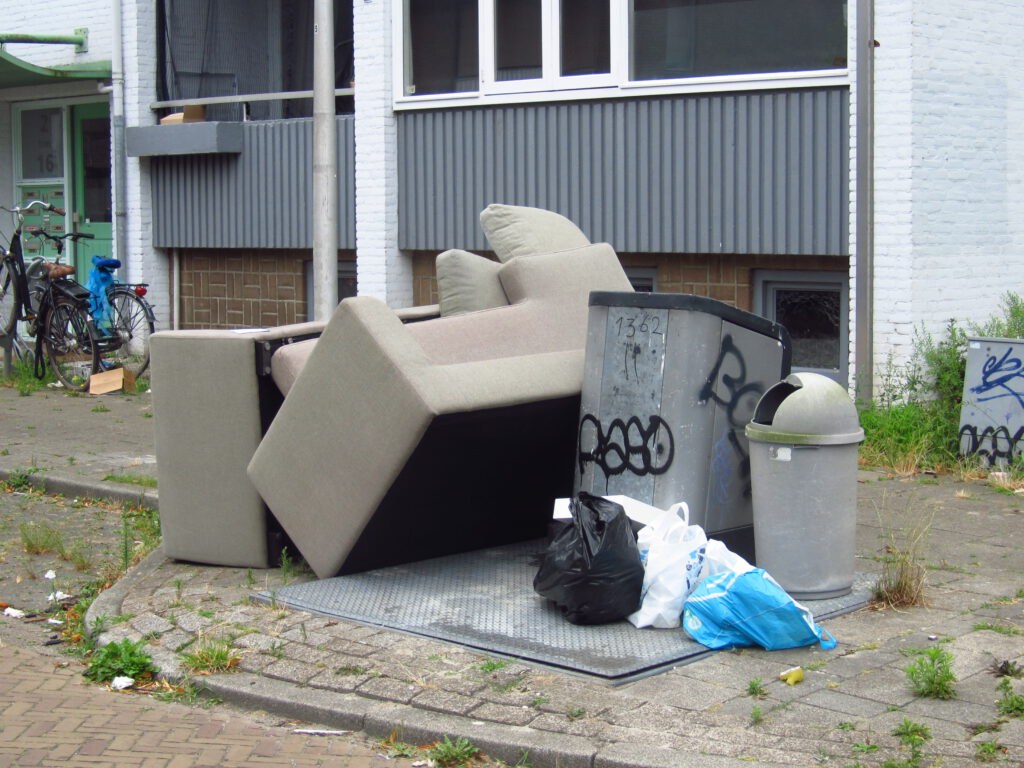
That local involvement is also why the mission of De Troep Taxi became broader than trips to the waste site. He wants to provide a good service, but at the same time make visible how residents themselves treat their surroundings. Not from a position of perfect behaviour — Stan is the first to acknowledge his own shortcomings — but from a sense of shared responsibility.
Content as an engine and a mirror
Stan says plainly that video is a major part of De Troep Taxi’s success. Not because every clip is conceived as an advertisement, but precisely because content gave the company a person. Many customers have already seen him dozens of times online before he arrives at their door. That means trust can begin even before the first conversation.
Interestingly, Stan himself did not immediately realise that his personality was one of the strongest parts of the brand. He does not come from an entrepreneurial family and gradually received help from people with more experience. They helped him recognise what was working: not just the service or the name, but the combination of energy, familiarity and a story that keeps moving.
“I was doing it well, but I didn’t know why.”
As a creator, he deliberately keeps the technical side simple. He edits his own vlogs in Final Cut Pro and spends little time on complicated colour grading or a polished film look. For Stan, editing is primarily about rhythm: removing what is unnecessary and making sure the story keeps moving. “It’s about the story,” he says.
The camera also has a second function. For more than a year, Stan vlogged almost every day. That did not only generate reach; it also gave him a way to look back at himself. Just as writing in a diary can help organise thoughts, filming forced him to revisit the day. Content became marketing and a mirror.
Creating without a mask
Anyone who only sees the energetic Troep Taxi videos misses part of Stan’s online work. On his personal channels he also talks about insecurity, loneliness, recovery and moments when life simply feels difficult. He does not want to pretend that every day is a success story. In fact, the videos in which he admits that something feels hard often generate the most recognition.
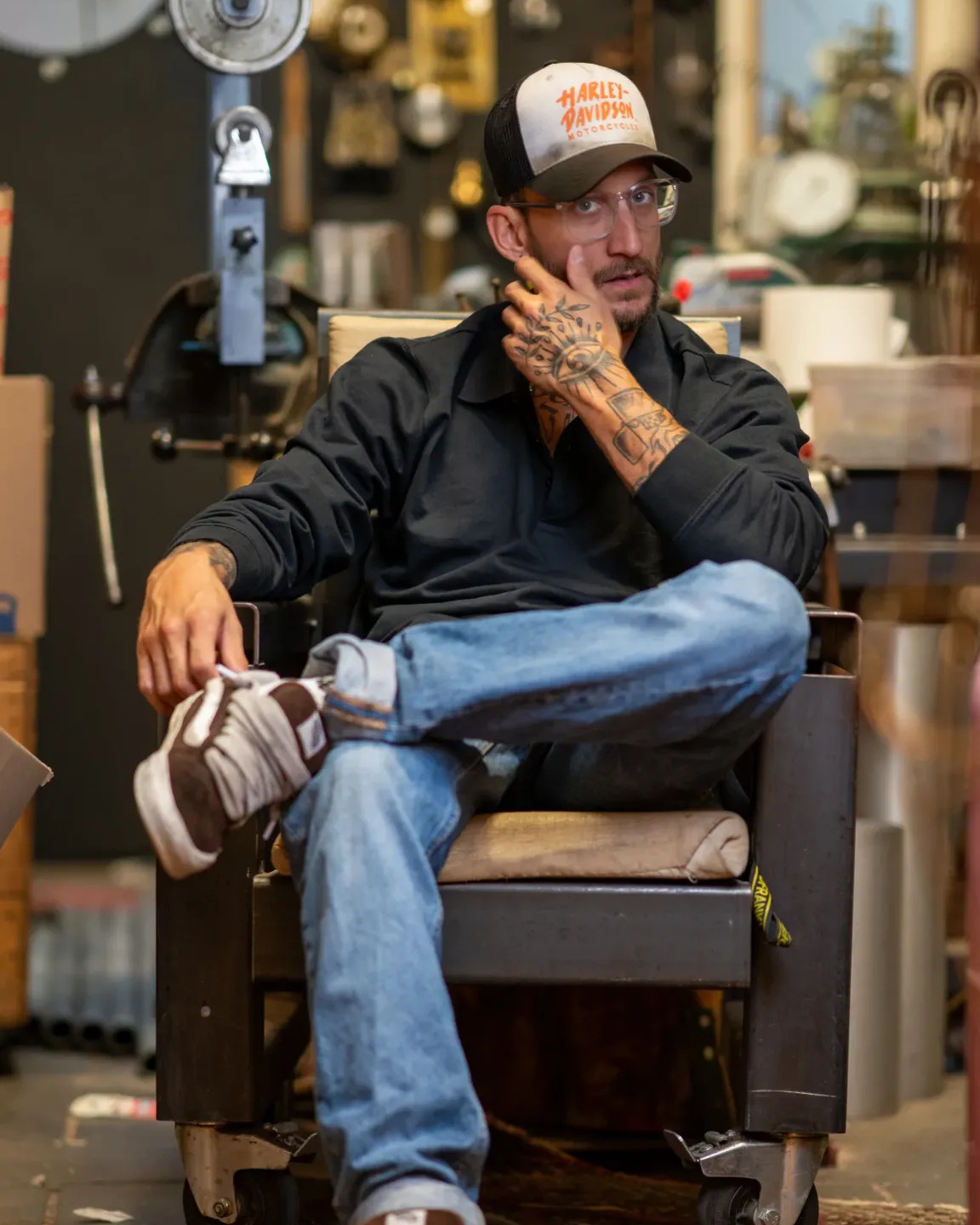
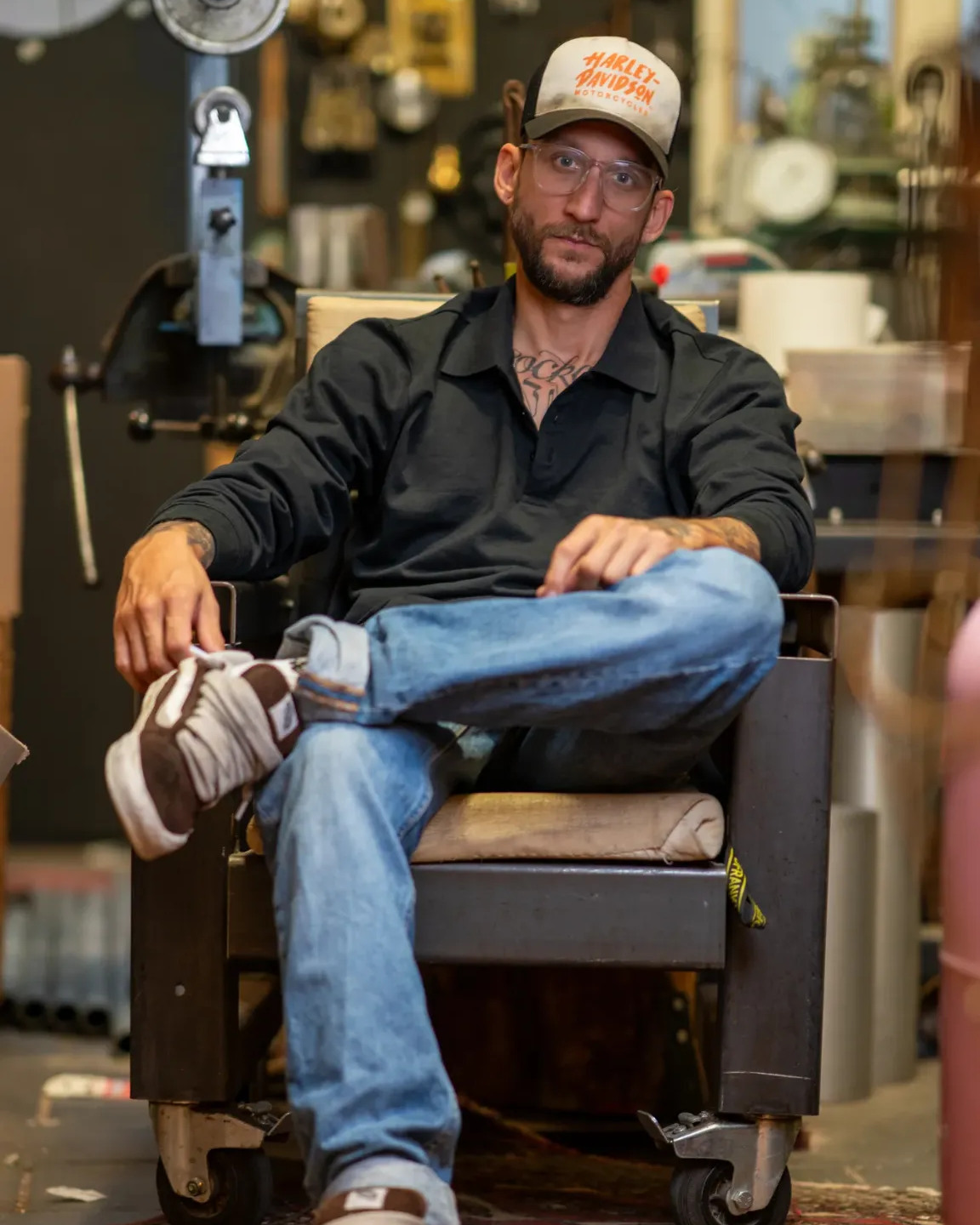
There is tension in that, too. How honest can you be without turning every private feeling into content? Stan has no fixed editorial rule for it. His way of filming is largely unscripted and intuitive. Something happens, he films it, and only while editing does he decide what will actually go online. That method fits his voice: rather than smoothing everything out in advance, he works from the moment and later decides what the story needs.
“I’m just doing it, and on Friday I edit it.”
A word that often appears in his videos is “courage”: doing something even when you feel resistance. At this point in his life, that courage is not about stepping forward even harder. The challenge is letting go. De Troep Taxi is growing and other people are taking over tasks. Stan notices how much trust that asks of him.
That is what makes his story as a creator interesting. Vulnerability is not a separate content format alongside entrepreneurship. The same insecurities return as soon as the company grows. Creating without a mask also means showing that growth does not automatically resolve every doubt.
Recovery, ego and learning to ask for help
Of all the lessons from his recovery, Stan identifies one question as the most important: “Help, I can’t figure this out.” He still asks it regularly — of entrepreneurs, people around him and others who know more about something than he does. For someone who was used to solving a lot by himself, that is precisely the difficult step: accepting that somebody else may know better.
“The most important question I have ever asked is: help, I can’t figure this out.”
That sentence now runs through his entrepreneurship as well. De Troep Taxi did not grow only because Stan worked harder. People came alongside him who helped with decisions, systems and recognising opportunities. Asking for help therefore stopped being a sign that he could not handle the business and became a way to build it more seriously.
His view of hard work changed with it. Stan grew up with the idea that working harder is automatically rewarded. He believes that less now. Building relationships, adding value and giving space to other people’s expertise can, in his view, matter much more than simply working more hours.
That does not make the ego disappear. It simply becomes more visible. Especially when he notices that he wants to keep control or thinks something should move faster, he tries to ask himself whether it is really a business problem — or mainly something he personally finds difficult to let go of.
Growing without running away again
De Troep Taxi is growing, and that creates a new pitfall for Stan. Working a lot does not always feel like a sign that things are going well. Sometimes it is an alarm signal. When he notices that he has been pushing on for weeks without stopping, he asks himself whether he is running away from something again.
“My alarm bell goes off: hey man, I’ve been working nonstop for three weeks. I don’t think I’m doing that well.”
That is why he builds in boundaries. He plans operational jobs on fixed days and tries to keep other days free for editing, entrepreneurship and life outside work. It sounds more orderly than it is in practice. If an attractive job appears on a day off, saying no still feels unnatural.
The next phase of growth also requires Stan not to be personally involved in everything. There is telephone support, he is working on additional capacity and he increasingly wants to look at the company from a directing role. That creates space, but also unease. His old reflex says: do it yourself, work harder, move faster. The new task is to trust people and trust a process that does not need to be personally checked by him every day.
For Stan, that may be the most difficult form of ambition: not wanting less, but learning to grow differently. So that De Troep Taxi can become bigger without him disappearing into the work again.
What does Stan want to leave behind in the city?
Looking five years ahead, Stan hopes De Troep Taxi will truly be a household name in Eindhoven. Not only as a recognisable van or social-media account, but as a service that structurally adds something to the city. He would also like to find a way to make the service more accessible to people with less money.
His ideal future goes beyond revenue or more jobs. Stan dreams of an Eindhoven with less litter and sees opportunities for De Troep Taxi to create work or opportunities for people who have themselves come through a difficult period. He stresses that these are not fully developed programmes yet; they are directions that feel as though they could fit the company.
“I would simply like to be the director of De Troep Taxi, so I can keep working on its growth and make a difference through it.”
There is a recognisable lesson for makers in that. Stan did not start when everything was right. He started with what he had: a van, an existing self-employed registration, a neighbourhood post and a camera he enjoyed using. The brand, the growth, feedback from others and the realisation that you do not have to be able to do everything yourself came later.
Perhaps that is also why his best-known phrase stays with people. “EINDHOVEN, what are we doing?” sounds like a call about rubbish, but there is a broader question underneath: what do you yourself contribute to the place and the people around you? For Stan, the answer is not about being perfect. It is about starting, continuing to look honestly, daring to ask for help and then choosing again what you can add today.
See more from Stan and De Troep Taxi
Want to see more of the service, the videos and the Eindhoven stories around De Troep Taxi?
More makers from Eindhoven
Discover more stories about makers from Eindhoven, read Eindhoven through the eyes of maker Hanneke Wetzer or join Eindhoven Creative Community.