That fascination with depth, layers and immersion runs through Elwin’s work. From film and animation to macro photography, sensual portraits and his artist name ERos Heathen, he keeps looking for ways to let viewers see the world differently. WanderLust brings all of those interests together.
What is 3D photography? “You freeze time, but the depth remains”
To explain what makes a 3D photograph different, Elwin starts with something very ordinary: the way we see. With two eyes we perceive depth. Close one eye and that experience changes. Stereoscopic photography recreates the same principle by making one image for the left eye and one for the right eye.
For Elwin, the most interesting part is the combination of stillness and depth. A regular photograph freezes a moment. A 3D photograph does that too, while still allowing the viewer to experience different layers of depth. Your attention can move from something in the foreground to a person farther away or to a detail in the background.
“With a 3D photograph, you feel even more as if you are there. You freeze time, but you can still actively look through the image.”
Things that normally move become especially striking: loose hair, water, air bubbles, fire or tiny particles floating through the air. Reflections, glossy surfaces and textures also gain extra emphasis. Something that would normally last only a fraction of a second becomes a still, spatial object.
3D in motion: three examples from WanderLust
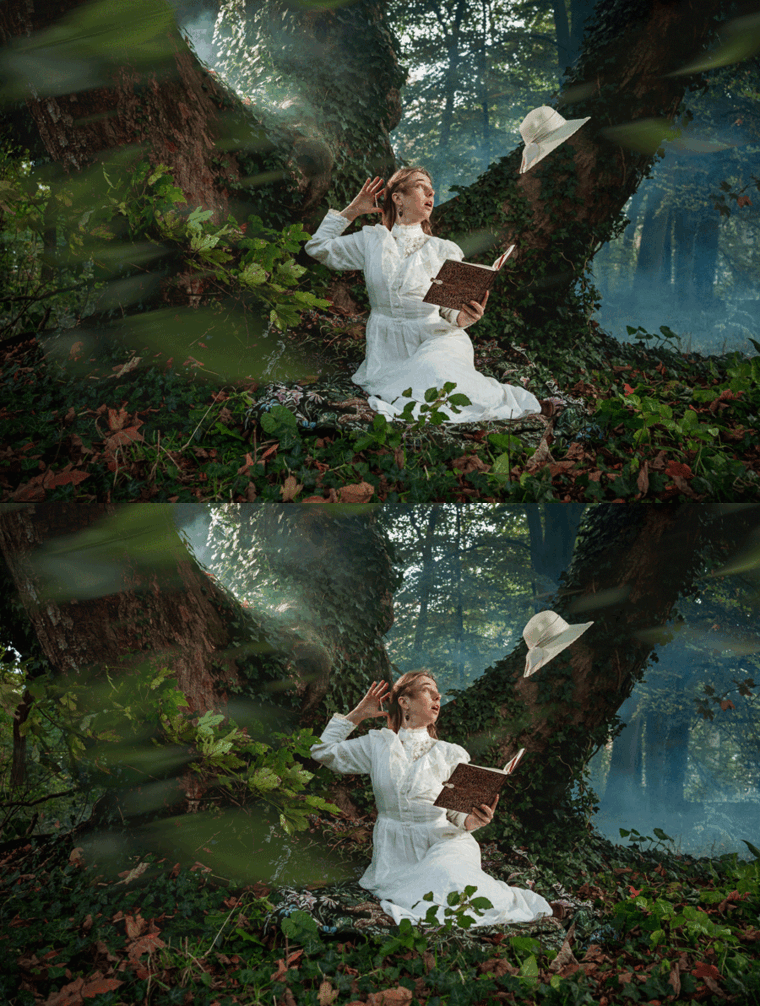
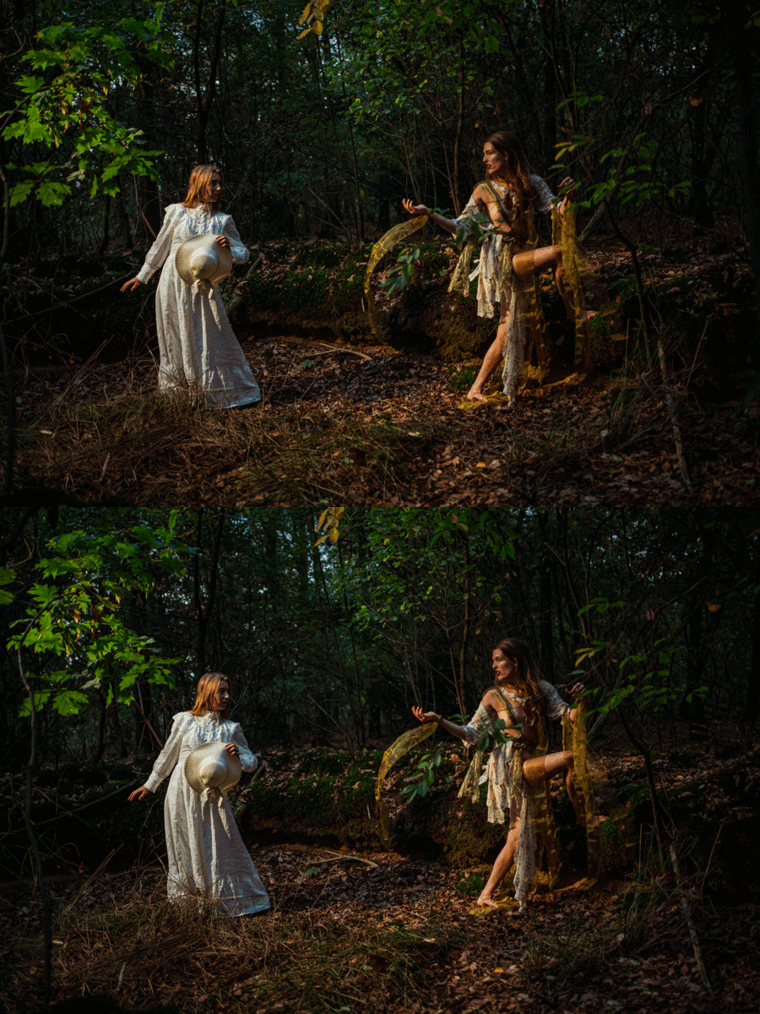
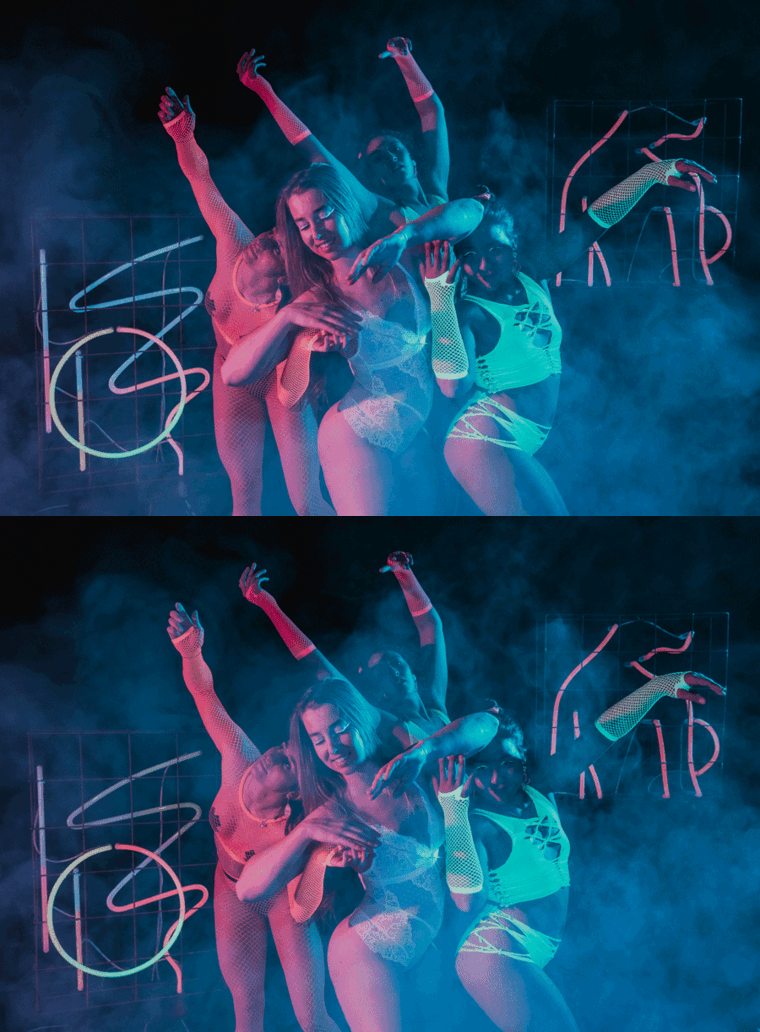
A normal screen cannot reproduce true stereoscopy in the same way as a 3D projection and glasses. These short “wiggle” animations do show immediately how two viewpoints can create a sense of depth. Elwin supplied all three examples from WanderLust.
From a 3D photograph of Marilyn Monroe to a custom camera rig
Elwin’s interest in 3D did not begin with photography, but with film. Around 2009 he became increasingly fascinated by stereoscopic movies. He collected 3D films, explored older productions and discovered that 3D reaches much further back than the modern cinema wave.
During that search he came across stereoscopic photographs by American actor and photographer Harold Lloyd. One of the images featured Marilyn Monroe. Viewing it on his 3D television made him realise how different a familiar portrait can feel once it contains genuine depth.
The Marilyn Monroe image below is not the exact photograph he saw on his 3D television at the time. He found this one online later and used it as a 3D reference in his first exhibition.
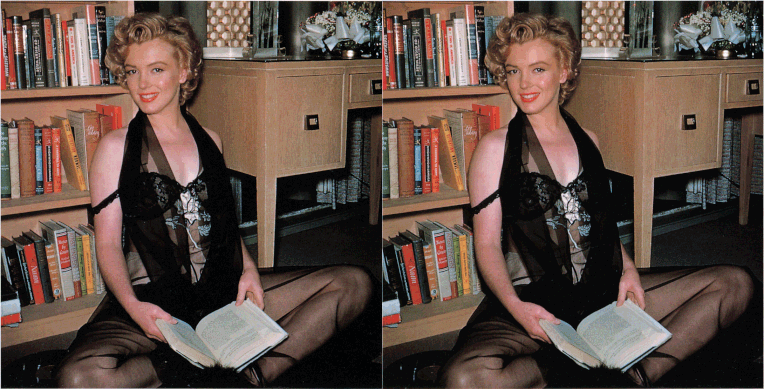
“Suddenly it was almost as if Marilyn Monroe was standing in my living room. That was when I thought: I want to be able to make this myself.”
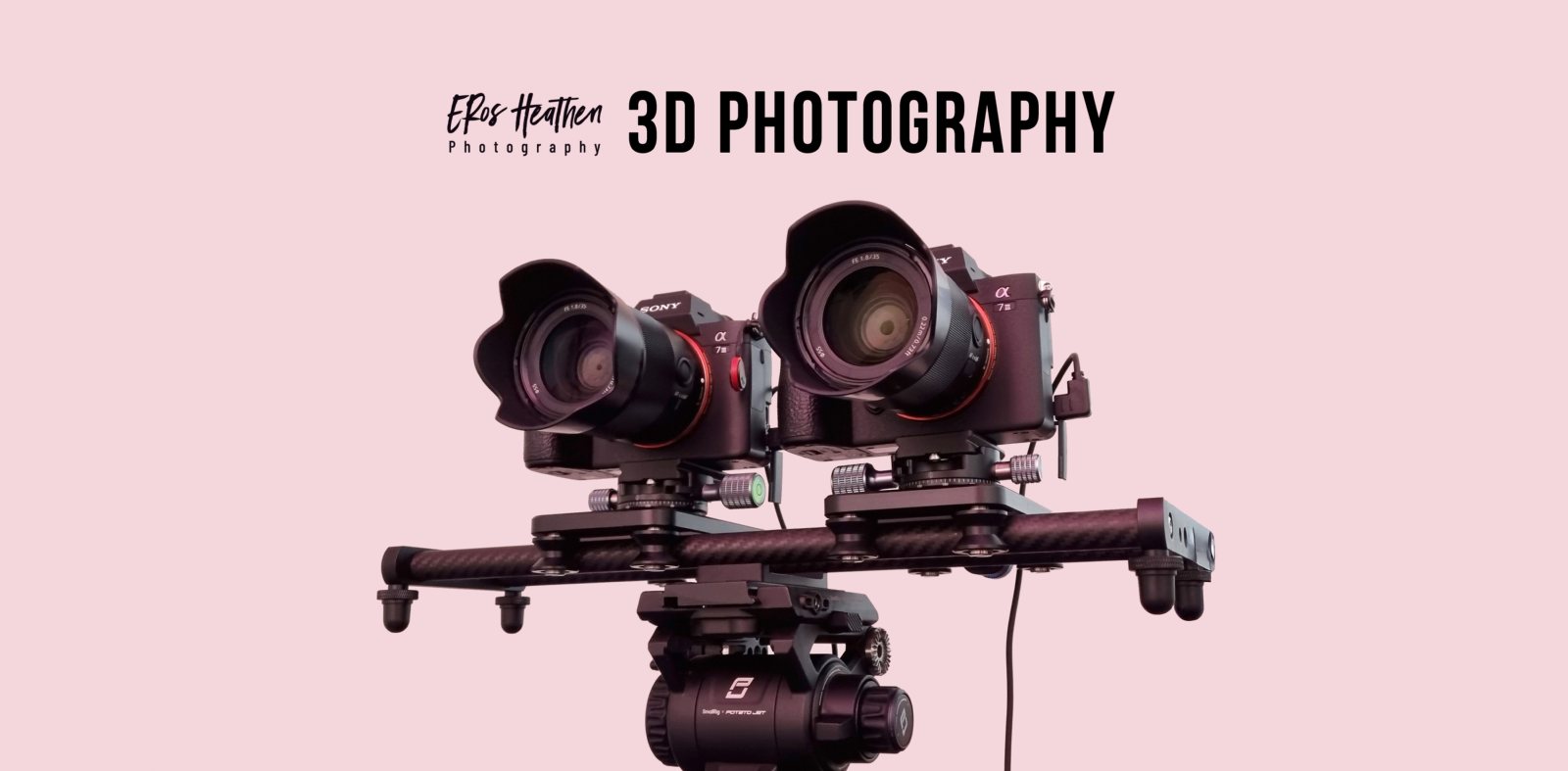
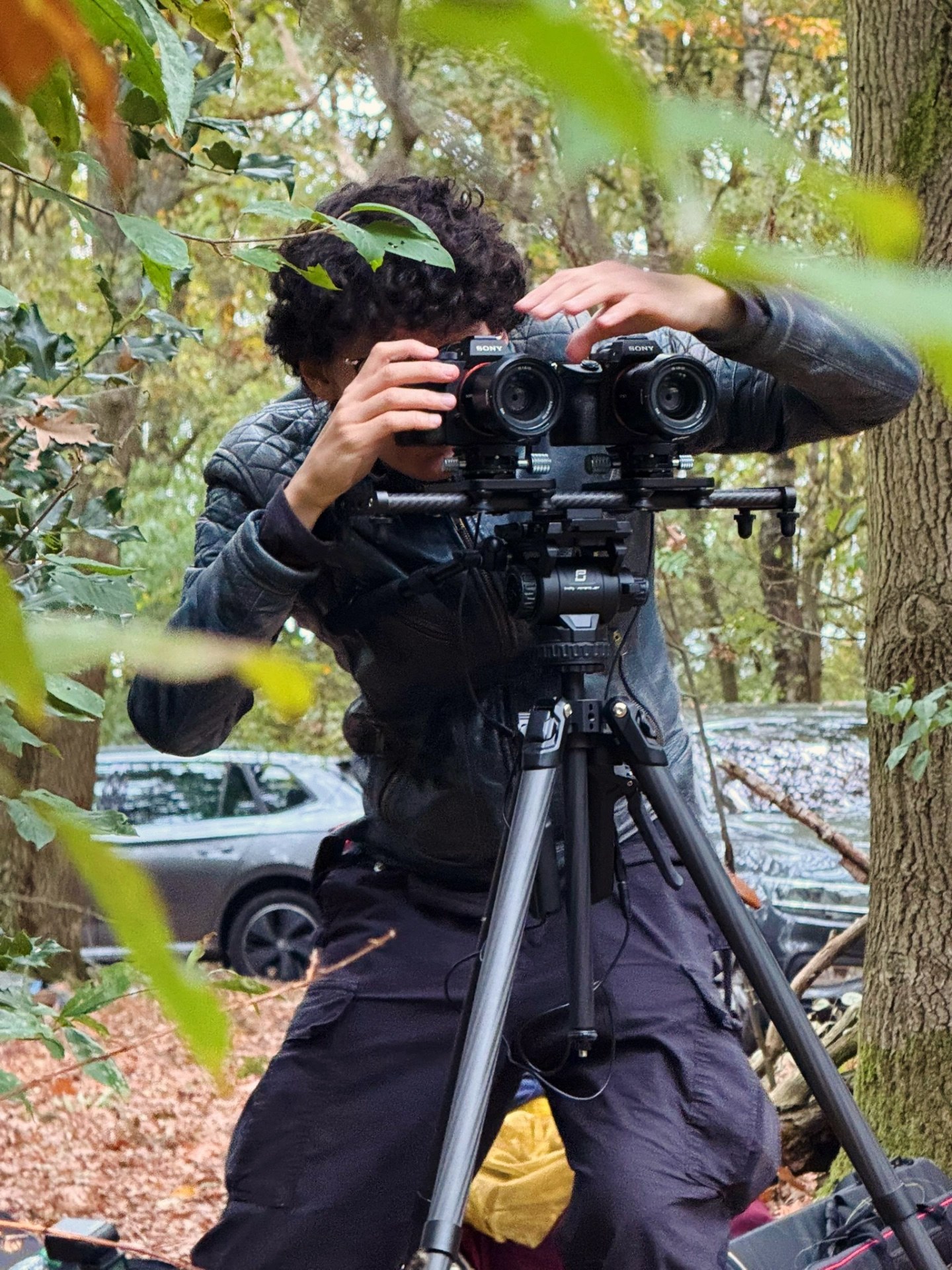
Then came the research and building. Elwin could not immediately find a digital mirrorless camera system that did what he wanted, so he assembled his own setup: two full-frame cameras side by side on a rail. The left camera represents the left eye and the right camera the right eye. From there he experimented with the spacing between the cameras, the distance to the model and a way to make both cameras fire at almost exactly the same moment.
He also tried a compact Korean 3D camera that could display the result directly on a screen. It worked surprisingly well in good daylight, but artificial light and low-light situations exposed the limits of the smaller system. For a larger artistic project he wanted to keep the image quality and control of his own camera rig.
How do you make a 3D photograph? Focus, distance and perfect synchronisation
3D photography calls for a different approach to composition than much portrait photography. Photographers often deliberately choose a blurred background and a shallow depth of field. In his 3D images, Elwin usually wants much more of the frame to remain sharp, because the viewer should be free to look through the different depth layers.
That is why he often works with a greater depth of field, on average around f/6 at 35 mm, and relatively wide lenses. While shooting, he thinks deliberately about foreground, middle ground and background. A plant close to the camera, a model a few metres farther away and a clear element behind them can form a visual path that only becomes fully apparent in 3D.
At the same time, the technical side has to be precise. Both cameras need to capture almost exactly the same instant. With a static pose, a small difference can sometimes be corrected, but with a jump, moving hair or a quick turn, even a fraction of a second can mean the left and right images no longer match.
File management is part of the process too. Images from the left and right cameras have to be kept carefully separated and then paired again for each exposure. If one camera captures an extra frame during a sequence, all the numbering can shift. What looks like a tiny technical mistake on set can suddenly become a puzzle during post-production.
Why hair, water, mirrors and fire work so well in 3D
For WanderLust, Elwin could build on an earlier 3D presentation. That first series was not yet a continuous story, but it gave him something equally useful: knowledge of what viewers find especially striking in 3D.
Reflections, water, glossy surfaces and pronounced textures turned out to work particularly well. The same applies to elements that normally move. A lock of hair hanging in mid-air, an air bubble or a flame can become almost sculptural in a still 3D photograph. Elwin therefore started incorporating those qualities deliberately into scenes for WanderLust.
WanderLust: a 3D photo story about transformation
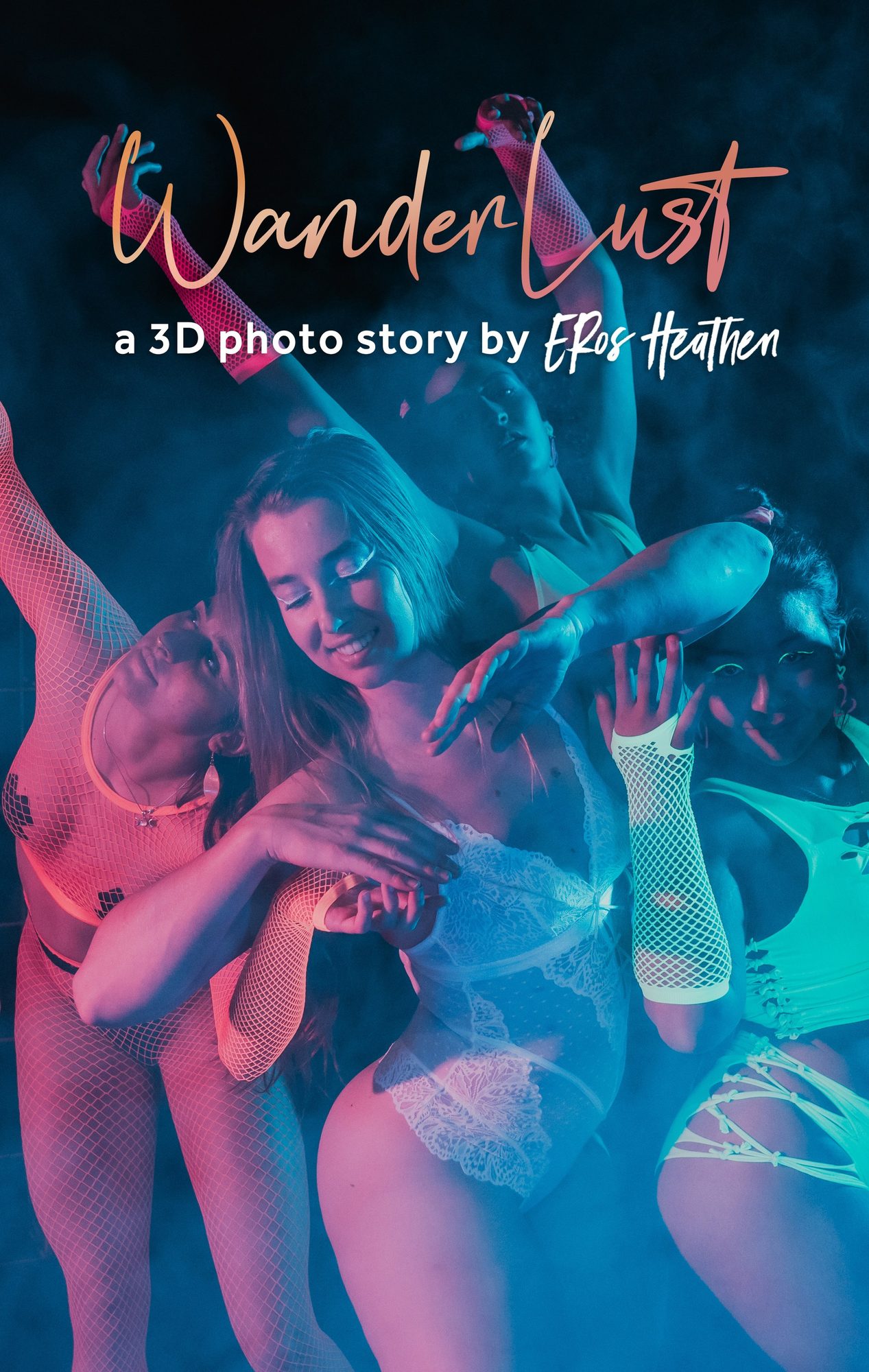
WanderLust is not a loose collection of attractive 3D images. Elwin deliberately calls it a “3D photo story”: a sequence of photographs that tells a story in a fixed order. He compares it with a picture book or comic, but built from stereoscopic photography.
The final presentation lasts around fifteen minutes. There is no dialogue and no explanatory text is needed. At an early stage Elwin considered intertitles like those used in silent films, but while building the sequence he realised the successive images could carry the story on their own.
A large part of the project developed together with his partner Michelle, a flow artist who also plays the lead role in the story. Her own work explores themes including transformation, sensuality and finding inner strength. Those ideas found their way into WanderLust. Visually, the main character begins almost as a white canvas and gains more colour and layers throughout the story through encounters with other people.
Elwin intentionally does not want to lock the story into one definitive explanation. Transformation is at its core, but the symbolism is allowed to mean something different to every viewer.
“For the main character it is a transformative story. And hopefully it becomes a bit of a journey for the viewer as well.”

Why WanderLust became a photo series rather than a short film
Elwin’s choice of still images is striking because film has been an important part of his work for more than two decades. He has made short and longer films, worked as a director, cinematographer and editor, created animation and taken his films to festivals.
Photography has run alongside that since art school. He worked in the darkroom and developed his own negatives, but especially in recent years photography has grown into an independent art form for him.
That background made him notice a difference between 3D film and 3D photography. Moving images with depth feel logical to our eyes in a certain way: the real world moves too. A completely frozen moment in which depth remains intact feels stranger. That tension was exactly what he wanted to investigate.
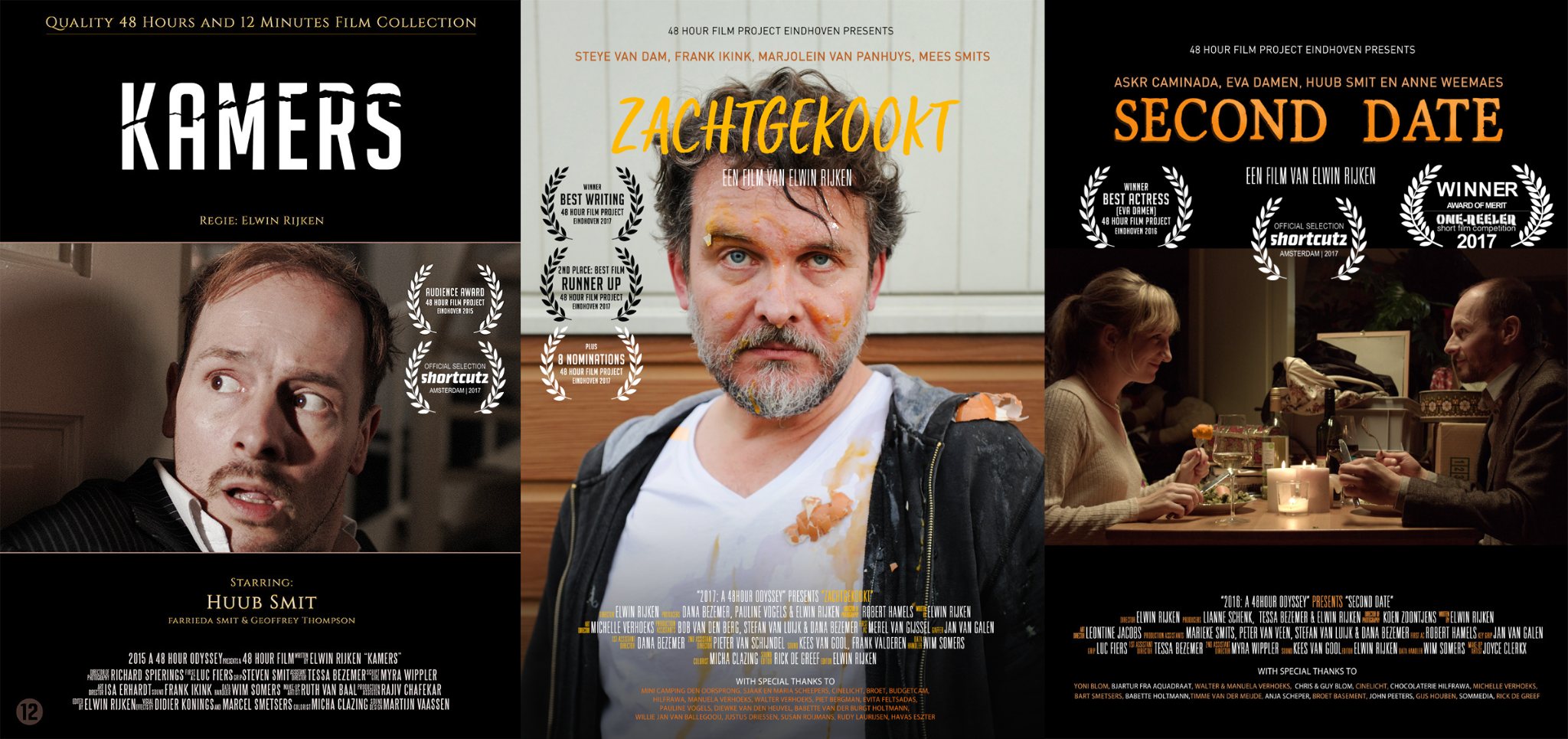
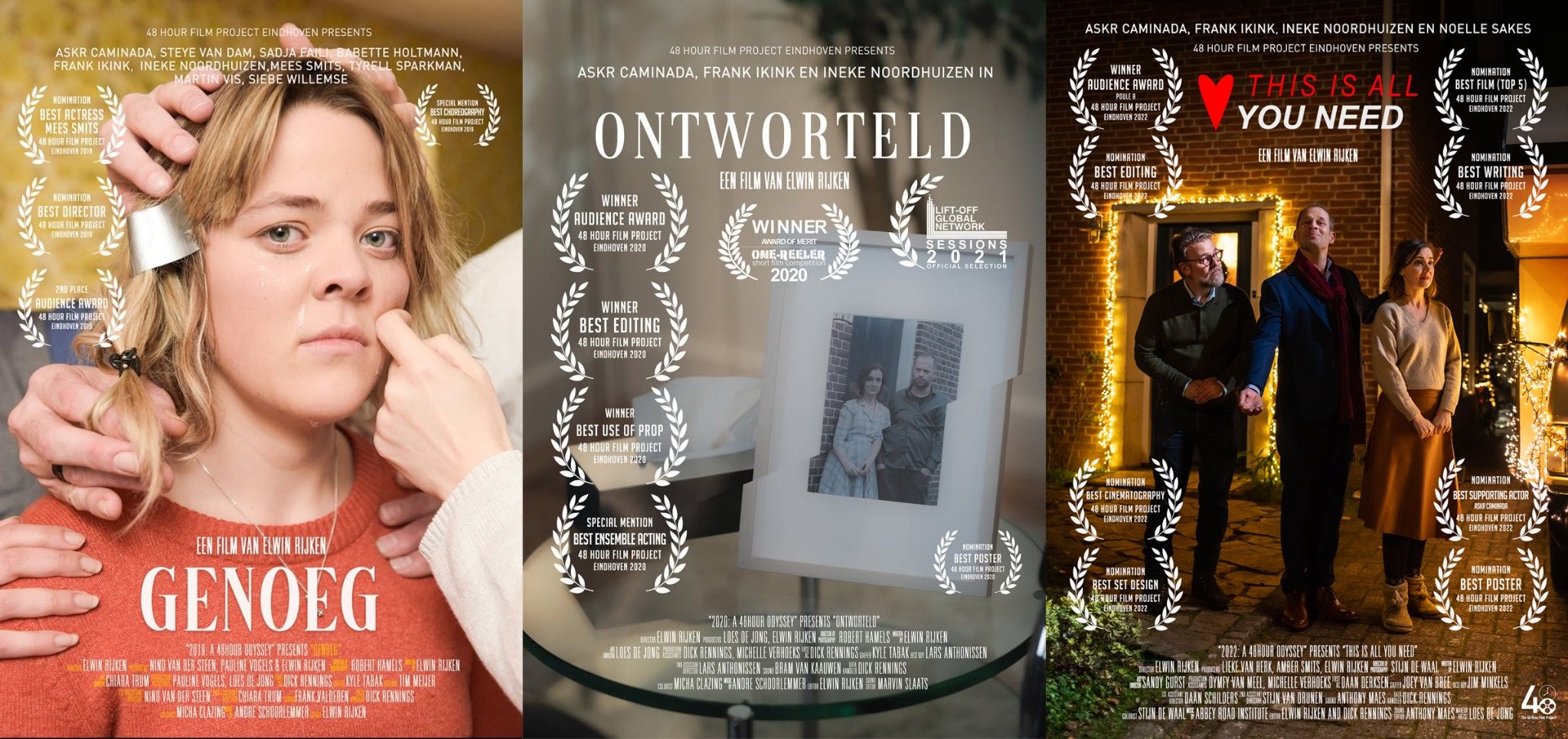
From animation and film to 3D photography: storyboards and keyframes
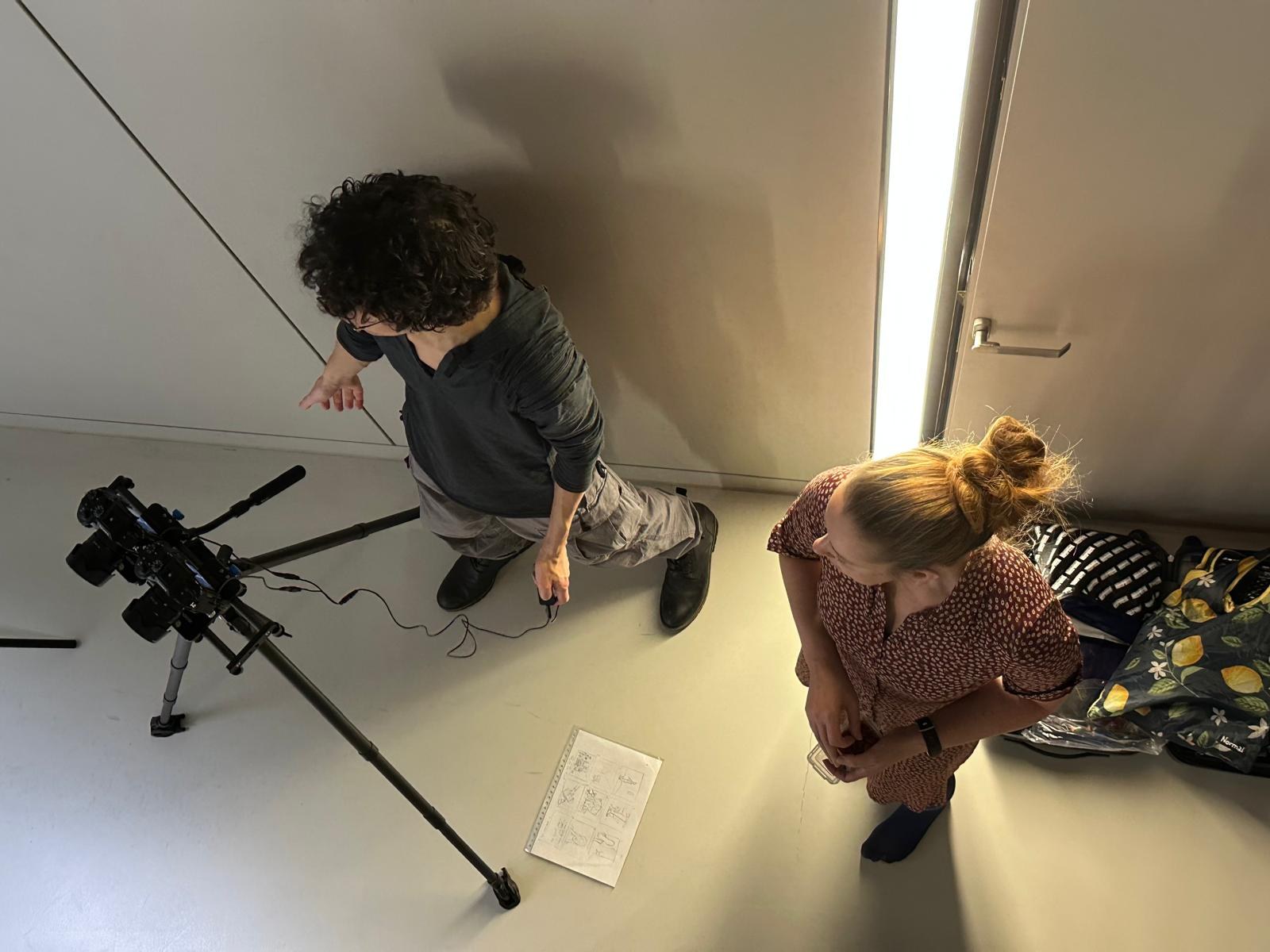
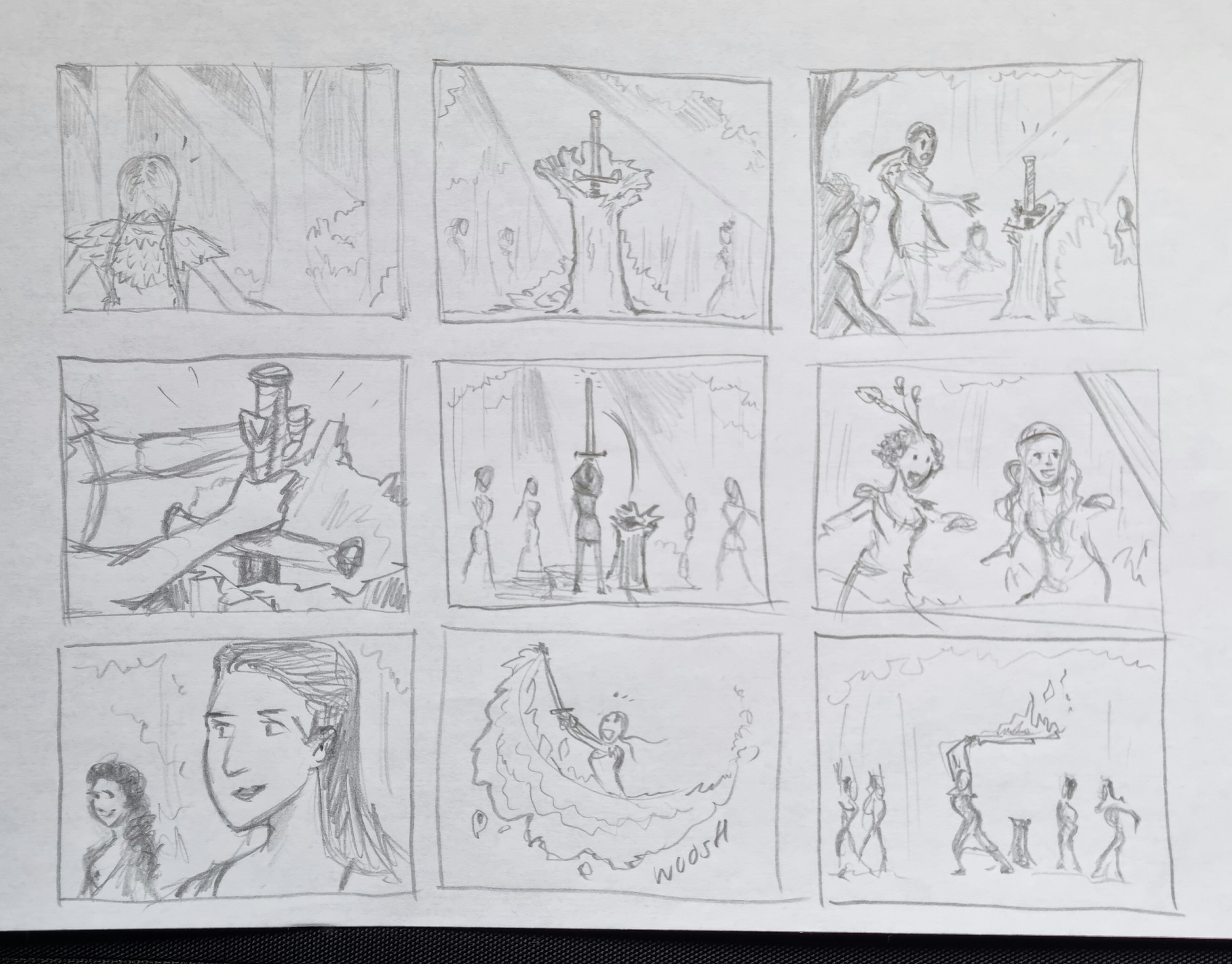
Although WanderLust consists of photographs, Elwin builds the series like a filmmaker. He draws storyboards for scenes and uses a way of thinking he knows from animation. In animation, keyframes are the crucial moments that make clear which movement or action comes next.
That means every image in WanderLust not only has to work on its own, but also has to prepare the next one. A glance, an open door or a clear direction in the composition guides the viewer’s attention. This creates a sense of movement without any actual moving image.
The production was extensive. Beyond organising locations, models and shoots, a great deal of time went into selecting and processing the images. Across the project, Elwin spent weeks sorting, colour grading and combining photographs. Some constructions became particularly complex, such as a 3D photograph that had to appear inside another 3D photograph and therefore needed to be positioned at the correct depth itself.
How audiences experience the 3D photographs in WanderLust
For the presentation, Elwin uses a 3D projector, a projection screen and 3D glasses. In his experience, the larger the image, the stronger the effect. On a large surface, details become more visible and the viewer can begin to feel almost as if they are inside the photograph.
There is also a practical side to that. Not every viewing angle works equally well, so only a limited number of people can view a single projection optimally at the same time. The way the work is presented therefore becomes part of the experience, even though it does not determine how Elwin makes the photographs themselves.
WanderLust premieres on 19 November 2026 at De Nachtzuster in Tilburg. After that, Elwin hopes to show the project in other places as well, including Eindhoven.
Elwin Rijken as a maker: drawing, film, photography and always learning something new
That broad approach fits Elwin’s career. He studied visual design and went on to build a long practice spanning drawing, animation, film, editing, camera work and photography. He also creates commissioned work for companies and organisations.
“In the end, it really became a follow-your-heart project.”
ERos Heathen: photography about the body, sensuality and body positivity
Alongside his broader photography, Elwin works under the artist name ERos Heathen. The name gives him a distinct space for work centred on the human body, eroticism and sensuality. Eros refers to love; he connects “Heathen” with a more natural, unpolished relationship to the body and its surroundings.
For Elwin, erotic photography is a powerful art form that should not be underestimated. The human body has been part of art history for centuries. In his own photography, however, the work is not only about eroticism. It often deals with vulnerability, sensuality, self-image and the way someone can see themselves differently through a photographer’s perspective.
He talks about people booking a sensual shoot for their partner, but also about people who are getting older or feel insecure about their bodies and want to experience themselves as beautiful again. For him there is a clear body-positive idea behind that: bodies do not have to match a single ideal in order to be interesting or beautiful.
“Every body is beautiful. Growing older has its own strength and charm as well.”
Clit-Pics: macro photography as a different way of looking at the body
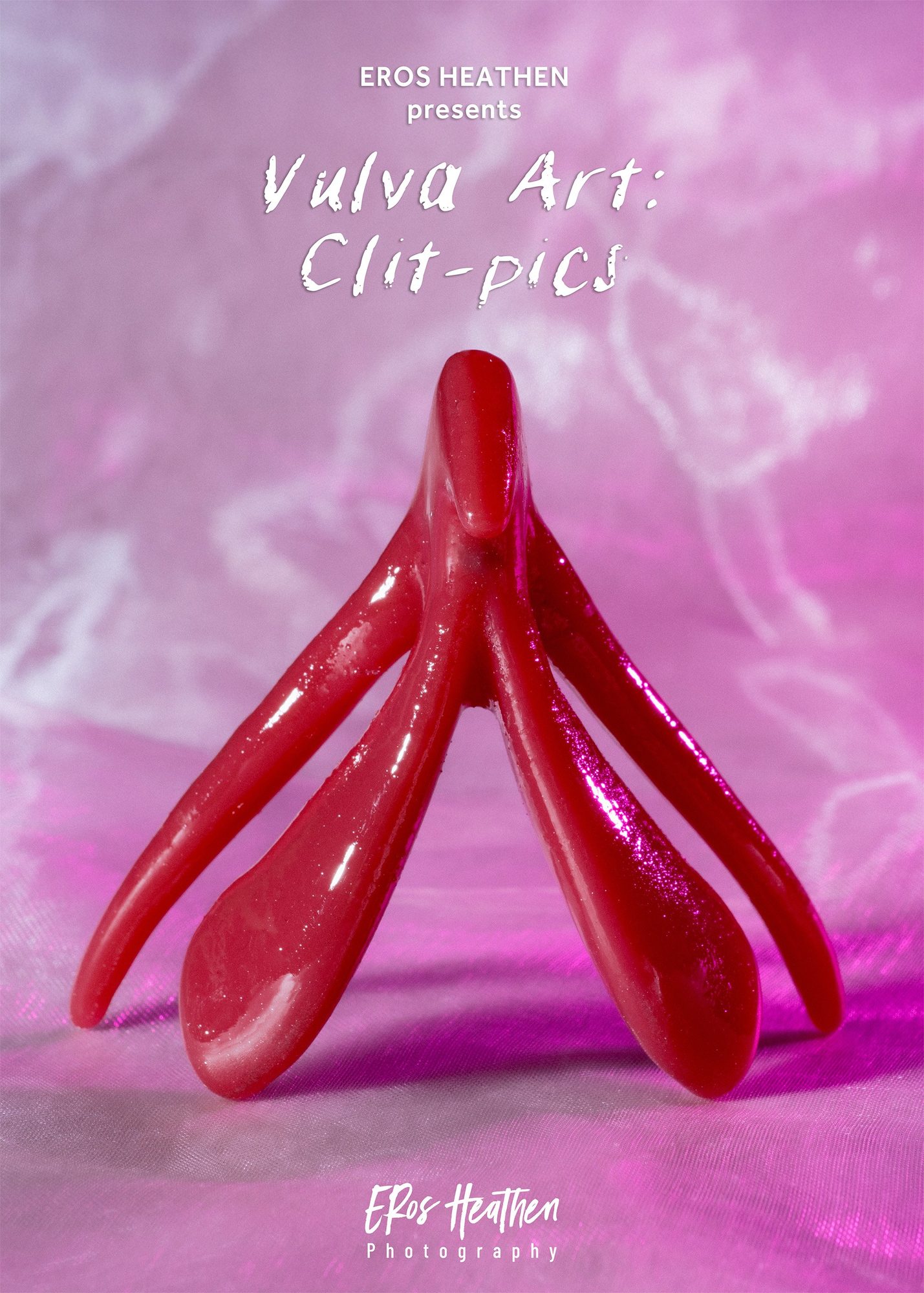
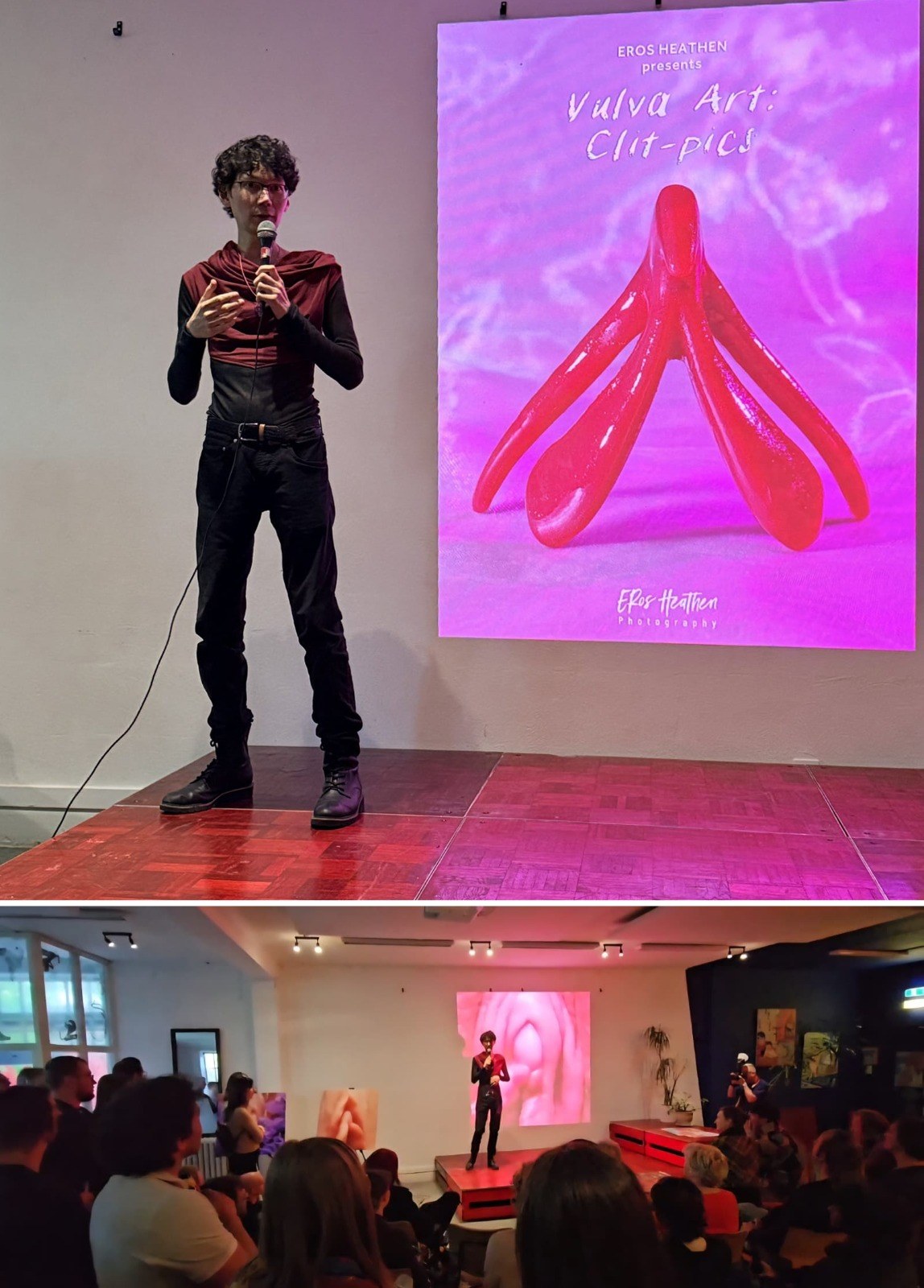
One striking project within this part of his work is Vulva Art: Clit-Pics. Elwin uses macro photography to show the vulva, and the clitoris in particular, in a non-clinical way. The starting point was curiosity: why are medical images readily available, while aesthetic macro photography of this part of the body is so rare?
For the series he deliberately chose photographic techniques that treat the subject as an artwork: a macro lens, carefully controlled light and sometimes coloured flashes. According to Elwin, the models’ reactions during the shoots were an important part of the process. They too suddenly saw their own bodies in a way they had never seen before.
At the first public presentation, Elwin says visitors were deeply impressed and enthusiastic; some were even moved by the beauty of the images. The work led to meaningful conversations and new collaborations, including with Dolle Mina Eindhoven and Manifestations during Dutch Design Week.
His Vulva Art will also be on display for nine days during Dutch Design Week in 2026. In both WanderLust and the Vulva Art project, Elwin presents viewers with unusual worlds, stories full of surprises and sensuality, and colourful images designed to provoke a response. The technique supports that experience, but it is not what defines the work at its core.
3D photography in Eindhoven: the city as the next playground?
For future 3D work, Elwin sees the city of Eindhoven as a potential playground. He is not interested in architecture as a stand-alone subject: people remain central to his photography. Recognisable locations, historic buildings and new architecture can instead become environments or sets for new 3D stories. He also does not rule out a more documentary use of stereoscopic photography.
“Secretly, 3D photography is my great love. I feel there are still so many stories I can tell with it.”
What comes after the flat photograph?
With WanderLust, Elwin does not simply want to complete one project. He hopes the presentation will spark curiosity about 3D photography among audiences and other makers. In his view, the technique can be used in many ways, but there are still relatively few places where 3D art can be shown properly. Many smaller cinemas and art spaces no longer have permanent 3D projection facilities.
Perhaps that is exactly why he wants to continue. A regular photograph has become completely familiar to most of us, while a still image with genuine stereoscopic depth can still provoke a strange reaction. A quick glance is not enough. Your eyes have to rediscover how to move through a photograph.
Ultimately, Elwin’s work is held together not by one technique but by the desire to build unusual worlds and tell stories that surprise, seduce and make viewers look differently. In WanderLust, stereoscopy is the tool; content, atmosphere and sensuality remain the starting point.
Explore more of Elwin’s work
Want to see more or read background information about the projects? These are the main sources and profiles Elwin shared with us.
More makers from Eindhoven
Also read our story about analog photography in Eindhoven, meet Creator Spotlight: Jaïr Pietersz or join Eindhoven Creative Community.